

close
Choose Your Site
Global
Social Media
Views: 0 Author: Site Editor Publish Time: 2026-08-21 Origin: Site


Standard screening equipment rapidly degrades under harsh operational conditions. High-impact materials destroy thin steel side plates. Abrasive ores wear down standard wire mesh within days. High-tonnage bulk materials overwhelm weak drive systems, causing catastrophic bearing failure. This equipment breakdown leads to unacceptable plant downtime and lost production. Balancing maximum throughput with equipment longevity is a major operational challenge. Harsh environments demand robust solutions. Handling shot rock, heavy overburden, or dense ores requires specialized machinery built for abuse. Undersizing your screen technology directly impacts plant profitability. Weak screens create maintenance bottlenecks and result in poor material grading. A heavy duty vibrating screen provides a specialized, structurally reinforced solution. Engineers design these units specifically for extreme processing environments. This guide breaks down the core mechanics, industrial use cases, and technical evaluation criteria necessary to specify the right equipment for your specific material applications.
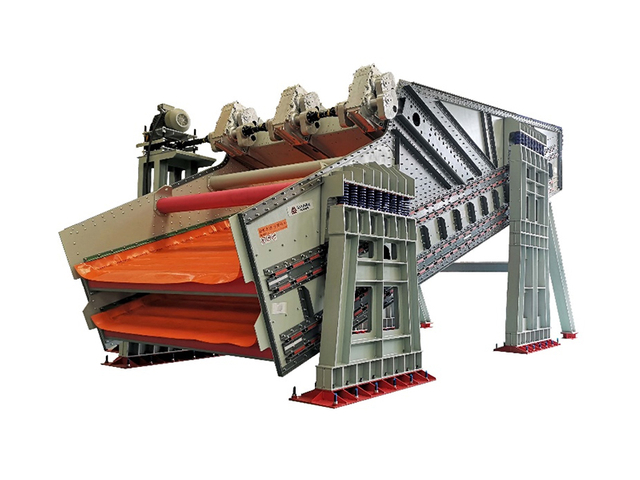
Structural Integrity Over Standard Specs: Heavy duty vibrating screens are defined not just by size, but by reinforced side plates, oversized bearings, and specialized drive mechanisms built to withstand continuous high G-forces.
Application-Specific Media is Critical: The effectiveness of a heavy duty vibrating screen relies heavily on matching the screen media (polyurethane, rubber, heavy woven wire) to the abrasiveness and moisture content of the feed material.
Trommel vs. Vibrating Screen Trade-offs: While trommels excel with sticky, clay-heavy materials, heavy duty vibrating screens offer superior precision, higher throughput per square foot, and better handling of massive, abrasive feed (like crushed stone and asphalt millings).
Table of Contents
Standard commercial screens fail when subjected to massive dynamic loads. Structural fatigue tears factory welds apart. Standard bearings overheat and shatter under heavy surges. We must define the threshold where standard equipment fails. A true heavy-duty classification requires specific engineering upgrades to survive continuous, brutal operation.
Vibratory screening relies on applied physics. The system uses excitation force, stroke, and frequency to move material. Stroke refers to the amplitude of the vibration. Frequency is the speed of the oscillation. Together, these factors determine how material travels across the deck. Eccentric shafts or unbalanced motors generate specific G-forces. These forces lift and drop the material bed. This action stratifies bulk solids, powders, granules, and slurry mixtures. Heavy particles sink to the bottom of the material bed. Smaller particles find the openings in the mesh. The system separates materials by both size and shape.
When you stand next to a properly tuned machine, you can feel the ground hum, but the support structure shouldn't shake violently. The eccentric mechanism creates a precise throw. We measure this throw using stroke cards attached to the side plates. If the stroke is uneven, material pools on one side of the deck. This uneven loading accelerates wear and ruins screening efficiency. You need enough G-force to break the friction between particles. Wet sand requires more aggressive action than dry gravel. The mechanics must match the material.
Heavy-duty units feature massive structural upgrades. Manufacturers use much thicker steel side plates, often exceeding 3/4-inch thickness for primary scalping applications. They utilize huck-bolted construction instead of traditional welding. Welding creates heat-affected zones. These zones act as stress risers under continuous vibration. A microscopic weld crack will propagate across a side plate in a matter of hours under high G-forces. Huck bolts eliminate these weak points entirely by cold-clamping the steel plates together with immense pressure.
Suspension systems also differ significantly. Heavy-duty models use reinforced steel coil springs or specialized rubber buffers. These absorb massive shock loads from falling rocks. Furthermore, engineers integrate oversized, spherical roller bearings. They design these bearings specifically for vibratory applications. These bearings feature increased internal clearance to handle thermal expansion. They handle extreme radial loads and run cooler than standard industrial bearings.
Component | Standard Commercial Screen | Heavy Duty Vibrating Screen |
|---|---|---|
Side Plates | 1/4" to 3/8" mild steel | 1/2" to 1" high-yield carbon steel |
Assembly Method | MIG welded joints | Huck-bolted, zero welds on side plates |
Bearings | Standard C3 clearance | Vibratory-spec C4 clearance spherical roller |
Suspension | Light duty coil springs | Heavy duty coil or rubber springs |
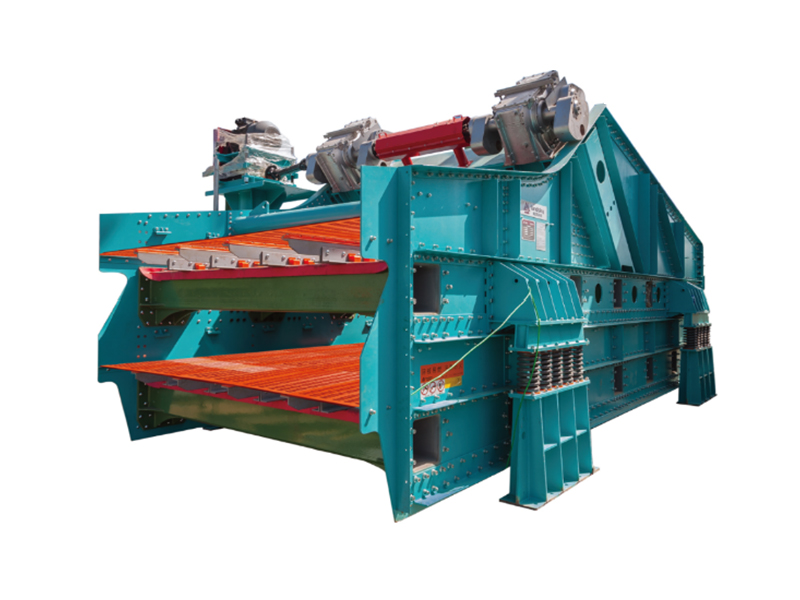
Different industries present unique material challenges. We must map the equipment to specific harsh environments. A heavy duty vibrating screen adapts to various material behaviors across multiple sectors.
Mining operations rely heavily on robust screening. Plants use heavy-duty screens in primary and secondary crushing circuits. They scalp massive, high-impact ores before the material enters a jaw or cone crusher. This prevents crusher blockages and maximizes crushing efficiency. When handling copper porphyry or iron ore, the top deck takes a brutal beating. We use heavy grizzly bars or thick perforated steel plates to absorb the impact of 24-inch boulders dropping from the feed chute.
These screens also handle wet sizing and slurry separation. Operators often run screens on an uphill slope for wet applications. The lower end remains submerged under the surface of the liquid. This configuration optimizes material washing. It also improves solid stratification by allowing water to carry away unwanted fines.
Here is the standard operational sequence for wet sizing in a mineral plant:
The slurry feed discharges onto the submerged lower section of the screen deck.
High-frequency vibration breaks the surface tension of the muddy water.
Water and fine slimes pass through the polyurethane mesh into the underpan.
The uphill angle forces the oversized solids to climb out of the water pool.
Spray bars rinse the remaining solids as they travel toward the discharge lip.
Quarries demand high-throughput grading. They process massive volumes of crushed stone, sand, and gravel daily. The equipment must maintain strict sizing accuracy while handling heavy loads. Granite, limestone, and trap rock all behave differently on the deck.
Removing fines from bulky feed materials is a primary requirement. Construction projects demand clean, properly sized rock. Heavy-duty screens aggressively shake the material bed. This action forces clay and dust through the mesh. It ensures the final product meets strict aggregate specifications for concrete and asphalt production. If the screen bogs down under a surge load, the rock carries over the deck un-sized, ruining the stockpile.
Recycling environments are notoriously harsh. Facilities handle mixed, abrasive, and highly unpredictable feed materials. A heavy duty vibrating screen easily processes asphalt millings and concrete rubble. It withstands the impact of stray rebar, heavy overburden, and chunks of structural steel. Standard screens tear themselves apart when a piece of rebar pegs in the wire mesh and acts as a lever against the side plate.
Industrial composting also utilizes vibratory screening. Facilities separate bulk solids from mature compost. The aggressive vibration breaks up clumps of organic matter. It separates usable compost from rocks, plastics, and oversized wood chips. The high moisture content of compost requires aggressive stroke amplitudes to prevent the deck from blinding over.
The chemical industry processes dense, corrosive, and high-temperature bulk powders. These materials quickly destroy standard steel components. Heavy-duty screens in this sector require specialized modifications. You cannot run raw carbon steel in a fertilizer plant; it will rust away in months.
Manufacturers apply advanced anti-corrosive coatings to the steel. They install heavy-duty, chemical-resistant seals on the drive mechanisms. Many applications require fully enclosed designs. Dust-tight enclosures protect drive mechanisms from harsh chemical exposure. They also protect plant personnel from hazardous airborne dust. We often use stainless steel mesh and specialized rubber boots to seal the feed and discharge chutes.
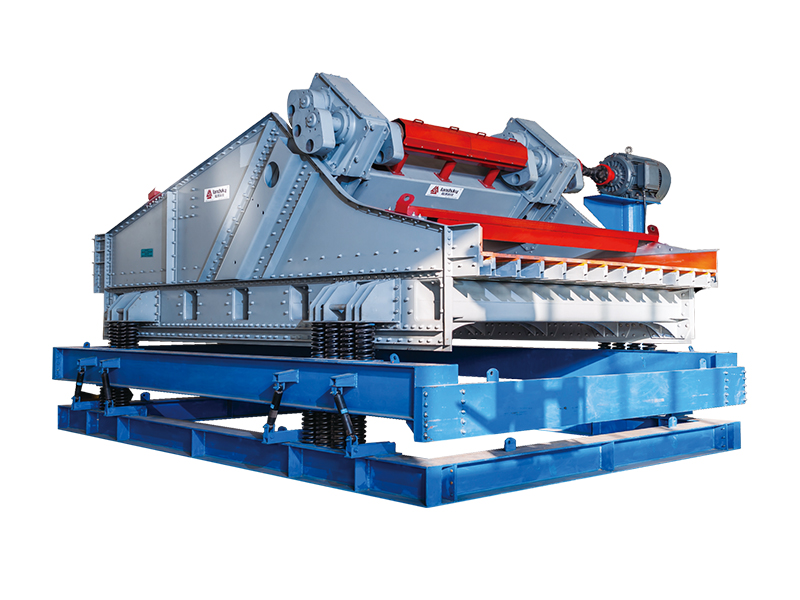
Equipment buyers must evaluate structural variations. Different mechanical motions dictate specific material outcomes. Understanding these differences ensures you select the right machine for your plant layout and product goals.
Inclined screens utilize a gravity-assisted design. Operators typically install them at 15 to 30-degree angles. A single eccentric shaft generates a circular vibration pattern. Gravity pulls the material down the sloped deck. The circular motion tumbles the rock, giving every particle multiple chances to find a hole in the mesh.
These units excel at high-capacity scalping. They handle continuous heavy-duty aggregate processing. You should choose an inclined screen when raw volume matters most. Precision is secondary to sheer throughput in these specific applications. They require significant vertical headroom in the plant structure due to the steep installation angle.
Horizontal screens operate flat or at very shallow angles. They utilize dual-shaft mechanisms. These counter-rotating shafts create a distinct linear, throwing motion. This motion tosses the material upward and forward across the deck. Because gravity isn't pulling the material downhill, the machine does all the work.
These screens provide superior sizing accuracy. The material travels slower, spending more time on the mesh. They are ideal for low-profile plant installations with strict height restrictions. Plants also use them extensively for heavy media recovery in coal and mineral processing. The linear motion is excellent for draining water off wet sand.
High-frequency screens operate differently than standard units. They use high-speed, low-amplitude vibration. The motors often run at 3600 RPM. This creates an intense, buzzing action on the screen media rather than a large throwing motion.
This aggressive vibration excels at fines removal. It breaks the surface tension of wet, sticky materials. Plants use high-frequency screens for specialized slurry dewatering. They effectively separate fine sand from water in wash plants. The deck angle is often steep to keep the material moving quickly over the vibrating mesh.
Screen Type | Motion Profile | Typical Installation Angle | Primary Application |
|---|---|---|---|
Inclined | Circular | 15° to 30° | High-volume scalping, primary sizing |
Horizontal | Linear | 0° to 5° | Precision sizing, washing, low headroom |
High-Frequency | High-speed linear/elliptical | 30° to 45° | Fines removal, slurry dewatering |
Procurement teams often debate between trommels and vibrating screens. You must conduct a direct, objective comparison. This analysis helps buyers choose the dominant screening technology for their specific feed material.
Spatial requirements heavily influence equipment selection. Plant footprint is often limited. A heavy duty vibrating screen generally offers a smaller footprint relative to its capacity. It delivers higher tons-per-hour within a compact space. You can stack multiple decks on a single vibrating screen, allowing you to produce three or four different product sizes from one machine footprint.
Trommel screens require massive structural frames. Their long, cylindrical drums consume significant linear space. If your plant requires high throughput in a tight area, vibratory technology is the superior choice. Trommels also require extensive catwalks for maintenance access along the entire length of the drum.
You must evaluate performance based on raw feed characteristics. Trommels lift and tumble material. This tumbling action is superior for wet, sticky, clay-bound materials. The drum breaks apart heavy clay clumps effectively. The internal lifters drop the material repeatedly, scrubbing the rocks clean.
However, vibratory screens dominate in high-impact scenarios. They process abrasive, bulky materials far better than trommels. Shot rock, heavy ores, and recycled concrete will quickly destroy a trommel drum. Vibratory screens absorb these massive impacts without structural failure. The heavy-duty springs and reinforced side plates handle the shock loads that would dent or warp a trommel cylinder.
Feature | Heavy Duty Vibrating Screen | Trommel Screen |
|---|---|---|
Motion Type | Linear, Circular, or Elliptical vibration | Rotational tumbling |
Best Material Match | Abrasive rock, heavy ores, concrete rubble | Sticky clay, wet topsoil, municipal waste |
Footprint to Capacity Ratio | Excellent (High TPH in compact space) | Poor (Requires long linear space) |
Sizing Precision | High (Material stratifies evenly over mesh) | Moderate (Material tumbles randomly) |
Impact Resistance | Extreme (Reinforced side plates, heavy springs) | Low to Moderate (Drum mesh can deform) |
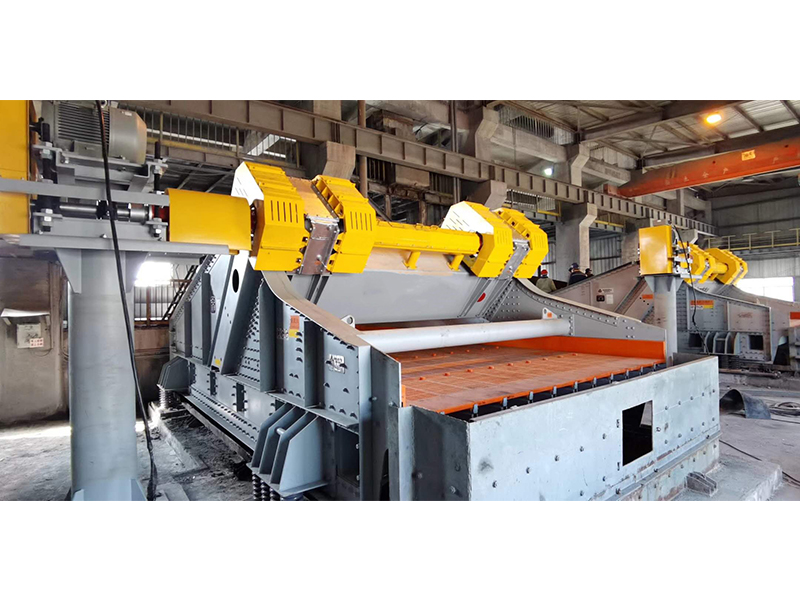
Engineering teams need a strict evaluation framework. You must evaluate OEM specifications against actual operational needs. Guesswork leads to equipment failure and poor production rates. You cannot buy a screen off the shelf and expect it to handle every material perfectly.
Accurate sizing requires precise mathematical variables. You must know your exact feed rate in tons per hour. You need the bulk density of the material. You must identify the maximum lump size hitting the top deck. Finally, you need the desired cut points and the material's moisture content.
Bed depth is a critical concept. If the material bed is too thick, stratification fails. Fine particles never reach the mesh. They ride over the top deck and contaminate the oversize pile. If the bed is too thin, material bounces too wildly and skips over the holes. Proper sizing ensures the correct bed depth for optimal screening efficiency. As a general rule in the field, the bed depth at the discharge end should not exceed four times the aperture size of the screen mesh.
Deck material selection dictates your uptime. You must compare media based on application. Heavy woven wire provides maximum open area. It works well for general high-impact sizing. Perforated steel plate is mandatory for extreme scalping. It handles massive boulders without tearing.
Polyurethane media dominates wet applications. It offers an exceptionally high wear life and resists corrosion. Rubber media excels in dry, high-impact zones. Rubber absorbs massive shock loads and significantly reduces plant noise levels.
Here is a quick guide for selecting screen media:
Heavy Woven Wire: Best for dry, abrasive materials where maximum open area is required to hit high TPH targets.
Perforated Steel Plate: Mandatory for primary scalping decks taking direct hits from large shot rock.
Polyurethane Panels: Ideal for wet wash plants, slurry dewatering, and highly corrosive environments.
Rubber Tension Mats: Excellent for dry, high-impact applications where noise reduction is a priority.
The drive system is the heart of the machine. You must evaluate V-belt drives versus direct drives. V-belts offer flexibility and protect the motor from sudden shock loads. If a massive surge hits the deck, the belts will slip slightly, saving the motor shaft from snapping. Direct drives offer maximum power transmission but require precise alignment and heavy-duty flexible couplings.
You must match the G-force output to the mass of your feed material. Heavy ores require high G-forces to lift the material bed. If the G-force is too low, the screen will stall under surge loads. The material will simply sit on the deck and blind the mesh. We typically target between 4.0 and 5.5 Gs for heavy-duty aggregate and mining applications.
Operating heavy machinery involves inherent risks. You must understand how to prevent catastrophic failures. Proactive maintenance and correct operational procedures keep the plant running. Ignoring the warning signs of structural fatigue will result in a destroyed machine.
Screen mesh blockages ruin production rates. Blinding occurs when wet fines coat the screen wire. The fines build up and close the openings entirely. Pegging happens when near-size particles become wedged tightly in the mesh holes.
You must implement mitigation strategies. Utilize ball trays beneath the wire mesh. The bouncing rubber balls dislodge pegged rocks. Install self-cleaning polyurethane media. These flexible panels stretch and snap, throwing off wet fines. You can also adjust the machine's stroke and frequency to create a more aggressive throwing action. Sometimes, simply increasing the speed by 50 RPM is enough to clear a pegging issue.
Vibrating screens generate massive dynamic loads. There is a severe risk of these loads transferring to the plant structure. If a screen is improperly isolated, it will literally shake a steel building apart over time. I have seen poorly isolated screens crack concrete foundations and shear structural I-beams.
Proper vibration isolation is non-negotiable. You must use heavy-duty sub-frames. Install high-quality isolation springs or rubber mounts. Conduct regular structural inspections. Maintenance teams must check for loose huck bolts weekly. They must inspect the side plates for hairline cracks near the drive mechanism. Catching a small crack early allows you to drill a stop-hole and weld a fishplate over it. Ignoring it means replacing the entire side plate.
Conduct a professional material flow analysis to determine exact feed rates, bulk densities, and moisture content before contacting manufacturers.
Request OEM sizing calculations based on your specific, real-world feed samples rather than relying on generic capacity charts.
Evaluate the structural warranty of all shortlisted equipment to guarantee long-term reliability under high-impact conditions.
Inspect your existing plant structures and foundations to ensure they can safely absorb the dynamic loads of a heavier machine.
To ensure your installation succeeds under demanding conditions, working with an established engineering leader is essential. Backed by extensive industry experience and state-of-the-art manufacturing capabilities, Shanghai Kminda Tech. Co., Ltd. delivers advanced screening solutions engineered for exceptional structural resilience, high sizing efficiency, and reduced operational downtime across global mining and aggregate facilities.
A: Heavy-duty screens feature significantly thicker steel side plates and oversized spherical roller bearings. They utilize huck-bolted construction instead of welding to eliminate stress fractures. These upgrades allow them to absorb continuous high-impact loads and massive tonnage that would quickly destroy standard commercial screens.
A: Capacity calculation requires evaluating the raw feed rate, the material's bulk density, and the total open area of the screen deck. Engineers apply efficiency factors based on moisture content, particle shape, and the required cut size to determine the exact square footage needed for optimal stratification.
A: Blinding occurs when high moisture content causes fine particles to stick together and coat the wire mesh. Pegging happens when near-size particles become physically wedged in the screen openings. Both issues are often exacerbated by incorrect stroke amplitude or running the machine at the wrong frequency.
A: Yes. They are highly effective for wet sizing and slurry applications. Operators typically install them on an uphill slope with the lower end submerged in liquid. This setup requires specialized polyurethane screen media to resist water corrosion and handle the abrasive nature of wet sand and ore.
A: Replacement intervals vary wildly based on material abrasiveness and daily tonnage. Thin wire mesh processing abrasive granite may last only a few weeks. Conversely, thick rubber or polyurethane panels processing softer limestone can last several months to over a year before requiring replacement.
A: Specialized heavy-duty scalping screens can handle massive shot rock and boulders exceeding 24 inches in diameter. Handling this extreme feed requires heavy perforated steel plates or thick grizzly bars, combined with massive rubber isolation springs to absorb the catastrophic impact forces.


