

close
Choose Your Site
Global
Social Media
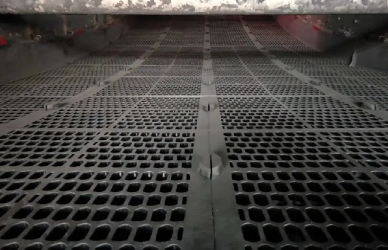
Wear resistance and hardness are two crucial properties that determine the performance of rubber panels in industrial applications. Wear resistance refers to a rubber panel's ability to withstand friction, abrasion, and other forms of mechanical stress, ensuring its durability and longevity in harsh environments.
READ MORE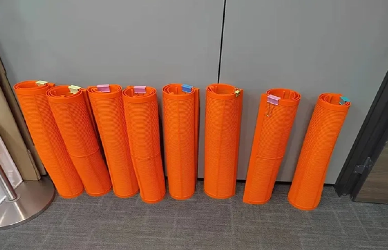
Wear resistance is a critical property of rubber panels used in industrial applications, as it directly impacts the performance, longevity, and efficiency of machinery and equipment. In industries like mining, construction, and manufacturing, rubber panels are often exposed to harsh conditions, including high friction, heavy loads, and abrasive materials.
READ MORE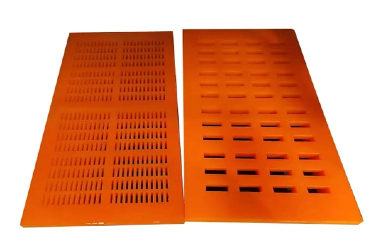
Wear-resistant rubber panels are crucial components in various industries, including mining, construction, and manufacturing, due to their ability to withstand harsh conditions. These panels are designed to handle high-impact and high-friction environments, making them ideal for use in vibrating screens, conveyor systems, and other machinery that experience constant abrasion.
READ MORE