

close
Choose Your Site
Global
Social Media
Views: 0 Author: Site Editor Publish Time: 2026-04-16 Origin: Site


Wear resistance is a critical property of rubber panels used in industrial applications, as it directly impacts the performance, longevity, and efficiency of machinery and equipment. In industries like mining, construction, and manufacturing, rubber panels are often exposed to harsh conditions, including high friction, heavy loads, and abrasive materials. The ability of these panels to resist wear not only reduces the frequency of replacements but also minimizes downtime and maintenance costs, ensuring smooth and continuous operations. To assess the wear resistance of rubber panels, various testing methods are employed, such as abrasion tests, tensile strength measurements, Shore hardness tests, and rolling resistance tests. These tests help determine the durability of rubber under specific conditions, allowing for better material selection and ensuring that the rubber panels perform optimally in demanding environments.
· Taber Abrasion Test:
The Taber Abrasion Test is one of the most commonly used methods to simulate wear in rubber materials. In this test, a rubber specimen is mounted on a rotating platform and rubbed against an abrasive surface under a specified load. The amount of material lost during the test helps determine the abrasion resistance of the rubber. This method is widely used to assess how well rubber will perform under normal wear conditions in a range of industrial applications.
· Rotary Abrasion Test:
The Rotary Abrasion Test evaluates how well rubber resists wear when subjected to constant rotation against a rough, abrasive surface. In this test, the rubber is rotated at a fixed speed while in contact with an abrasive wheel, and the wear rate is measured over time. This method simulates the effects of long-term exposure to friction and is commonly used in industries like mining and material handling, where continuous abrasion is a concern.
Tensile strength refers to a material's ability to resist forces that attempt to pull it apart. While it primarily measures the material's strength and elasticity, it also indirectly reflects wear resistance. Stronger rubber typically resists tearing, cracking, and deformation under stress, meaning it can withstand higher levels of abrasion before degrading. In applications where rubber is exposed to mechanical stress, high tensile strength ensures that the material retains its structural integrity, reducing the likelihood of premature wear and extending its lifespan.
The Shore Hardness Test measures the hardness of rubber, which is an indication of its resistance to indentation. A higher hardness value often correlates with better wear resistance, as harder materials can better withstand the forces that lead to wear and tear. In this test, a durometer is used to measure how deeply a specified indenter penetrates the rubber surface. While harder rubber materials tend to perform better in abrasive environments, they may also be less flexible than softer materials, so the choice of hardness should align with the specific demands of the application.
Rolling Resistance Tests are used to measure how much energy is lost when a rubber surface rolls over a hard surface. This is particularly relevant in applications like tires and conveyor belts, where constant rolling can lead to significant wear. The test measures the resistance to deformation as the rubber compresses and releases under the weight of rolling motion. Rubber materials with lower rolling resistance are more efficient in terms of energy consumption and show improved wear resistance in applications where continuous movement is a key factor.
The composition of the rubber significantly impacts its wear resistance.
· Natural Rubber: Offers high elasticity and abrasion resistance, ideal for flexibility but less resistant to chemicals and extreme temperatures.
· Synthetic Rubber: Types like SBR, NBR, and EPDM are tailored for specific needs. For example, NBR offers oil resistance, while EPDM performs well in extreme temperatures and weathering, making synthetic rubber more durable in harsh conditions.
The environment affects rubber's durability:
· Temperature: Extreme heat can soften rubber, increasing wear, while cold can make it brittle and prone to cracking.
· Humidity: Excess moisture can degrade rubber, causing swelling and reducing its wear resistance.
· Chemical Exposure: Exposure to oils, chemicals, or solvents can weaken rubber, especially natural rubber, while synthetic rubbers like NBR offer better resistance to chemicals.
· Thickness: Thicker panels last longer by providing more material to withstand wear, but the right thickness depends on the application.
· Texture: A rougher surface improves grip and distributes wear evenly, enhancing performance and reducing localized damage.
· Design: Panels with reinforced edges or vulcanized layers resist tearing, while incorporating additives or reinforcing fibers further boosts wear resistance.
In the mining and quarrying industries, wear-resistant rubber panels are essential due to the heavy impact and abrasive materials commonly encountered. Equipment like vibrating screens, conveyors, and crushing machines are constantly subjected to rough, sharp materials, leading to significant wear. Rubber panels offer an effective solution by providing abrasion resistance, shock absorption, and flexibility, which helps prevent premature equipment failure. These panels reduce the frequency of replacements and minimize downtime, enhancing productivity and operational efficiency.
In construction and material handling, wear-resistant rubber panels are used in machinery like conveyor belts, mixers, and material feeders. These panels protect critical components from wear caused by the constant movement of heavy materials such as gravel, sand, and cement. By absorbing impacts and reducing friction, rubber panels help extend the life of machinery and reduce maintenance costs. They also provide noise reduction and vibration dampening, improving overall working conditions in construction sites and material handling facilities.
Wear-resistant rubber panels play a crucial role in the automotive industry, particularly in the production of tires and other high-wear components. Tires, in particular, require rubber that can withstand constant friction, heat, and exposure to various surfaces. Rubber compounds with high abrasion resistance are used to improve tire longevity and performance. In addition to tires, rubber panels are used in various automotive parts such as suspension components, gaskets, and seals that are subjected to wear and tear over time. By choosing the right rubber materials, manufacturers can ensure durability, reliability, and safety in automotive products.
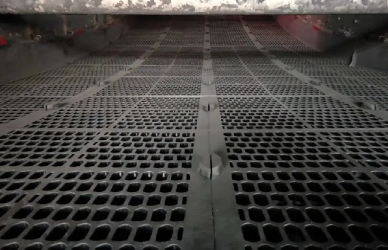
When selecting a wear-resistant rubber panel, it’s crucial to consider the specific conditions of the environment in which it will be used.
· Temperature: If the rubber panel will be exposed to high temperatures, materials like EPDM or silicone rubber may be more suitable due to their excellent heat resistance. For low temperatures, rubber with better flexibility, such as natural rubber, might be necessary to avoid brittleness.
· Chemicals: In environments where oils, solvents, or acids are present, NBR (Nitrile Rubber) offers superior chemical resistance, whereas EPDM works well in areas with exposure to ozone and weathering.
· Abrasion: Consider the level of abrasion the rubber panel will face. Polyurethane blends or harder synthetic rubbers are ideal for environments with extreme mechanical wear, like mining and construction, while softer rubber might be sufficient for less demanding applications.
The type of industrial equipment or machinery directly influences the choice of rubber panel material and testing method.
· Machinery Type: For vibrating screens or crushers in the mining industry, wear-resistant rubber panels made of polyurethane or synthetic rubber offer long-lasting performance under high impact and abrasion. On the other hand, conveyor belts used in material handling may require flexible rubber to ensure smooth operation and reduce noise.
· Testing Methods: The testing methods used to measure wear resistance, such as abrasion tests or tensile strength tests, should align with the specific mechanical stresses faced by the rubber panel. For heavy-impact machinery, abrasion resistance testing will be more relevant, while equipment exposed to chemicals may require tests for chemical resistance and elasticity.
Durability and cost are two critical factors when choosing the right rubber panel for an application.
· Long-Term Durability: If the rubber panel will be used in a high-wear environment, such as in mining or material handling, choosing a higher-quality rubber compound, such as polyurethane, may have a higher initial cost but will reduce the frequency of replacements and downtime in the long run.
· Upfront Cost: On the other hand, for applications with less extreme wear conditions, more cost-effective options like SBR or natural rubber may be sufficient and offer a good balance between performance and cost. Consider the overall lifecycle cost, including maintenance and replacement frequency, when evaluating upfront costs versus long-term savings.
Measuring wear resistance is essential for selecting the right rubber panels for industrial applications because it impacts the performance, durability, and efficiency of equipment. Rubber panels are often exposed to abrasive materials, high friction, and extreme conditions, and choosing materials that can withstand these forces is critical.
For industries such as mining, construction, and manufacturing, accurate wear resistance testing helps ensure that the rubber panels chosen will perform optimally. Panels with poor wear resistance will wear down quickly, leading to frequent replacements, costly downtime, and a negative impact on operational efficiency.
Accurate wear resistance testing ensures the longevity of rubber panels by providing insights into their ability to withstand continuous wear and exposure to harsh environments. Durable panels last longer and maintain their integrity, which reduces the need for frequent replacements.
This longevity directly contributes to the efficiency of industrial machinery. Wear-resistant rubber panels help maintain the smooth operation of equipment, reducing energy consumption and preventing performance issues. As a result, machinery can operate at peak efficiency, avoiding unnecessary breakdowns and improving overall productivity.
The Taber Abrasion Test simulates wear by rotating a rubber sample against an abrasive surface to measure its durability and resistance to abrasion.
Higher tensile strength generally means greater wear resistance, as the rubber is less likely to tear or degrade under stress.
Shore hardness tests the material’s resistance to indentation, with harder rubbers generally offering better performance in abrasive environments.
Extreme temperatures and chemical exposure can degrade rubber, reducing its wear resistance and shortening its lifespan in industrial settings.
Measuring wear resistance is crucial for selecting the right rubber panels for industrial applications, as it directly impacts the durability, performance, and efficiency of machinery. Key methods for measuring wear resistance include abrasion tests (such as the Taber and rotary abrasion tests), tensile strength tests, Shore hardness tests, and rolling resistance tests. Each method provides valuable insights into how a rubber panel will perform under specific conditions, such as exposure to friction, chemicals, or temperature changes. Choosing the right wear-resistant rubber panel ensures that equipment operates at its best, minimizing downtime and maintenance costs while extending the lifespan of machinery. At Shanghai Kminda Tech. Co., Ltd., we understand the importance of wear resistance and offer high-quality rubber panels tailored to meet the demanding needs of industries like mining, construction, and automotive manufacturing, ensuring optimal performance and reliability for your industrial equipment.
