

close
Choose Your Site
Global
Social Media
Views: 0 Author: Site Editor Publish Time: 2025-11-17 Origin: Site


Efficient material screening is a critical factor in mining, quarrying, and recycling operations, directly affecting throughput, product quality, and overall operational performance. Poor screening efficiency can lead to material blinding, uneven separation, and increased wear on equipment, which in turn results in higher maintenance costs and downtime.
Rubber Screen Plates offer a versatile and durable solution to these challenges. Their flexible, impact-resistant design allows for smoother material flow, reduces clogging, and improves separation accuracy. Additionally, rubber screens help absorb vibrations and reduce operational noise, enhancing safety and comfort in industrial environments.
The goal of this article is to explore practical methods for maximizing screening performance using rubber screen plates, helping plants improve efficiency, extend equipment lifespan, and maintain consistent, high-quality output across demanding applications.
Maintaining the correct tension in Rubber Screen Plates is essential for achieving optimal screening efficiency. Properly tensioned panels prevent sagging, which can lead to uneven material flow and reduced open area for screening. Sagging panels may also cause material blinding, where particles accumulate and block apertures, slowing down throughput. By ensuring each panel is tensioned according to manufacturer guidelines, operators can maintain consistent separation, smoother material flow, and higher productivity.
The installation of rubber screens must ensure full and even contact with supporting structures, such as screen decks or frames. Improper installation can result in material bypass, where some feed passes under or around the screen, reducing screening accuracy. Additionally, gaps or loose panels can cause excessive vibration, leading to accelerated wear on both the screen and supporting equipment. Adhering to proper installation techniques, including secure fastening and alignment checks, minimizes these inefficiencies and prolongs the life of the screen.
By focusing on proper tensioning and correct installation, plants can maximize the efficiency, reliability, and durability of rubber screen plates, ensuring smooth operation even under demanding mining, quarrying, or recycling conditions.
Selecting the correct rubber hardness (Shore A rating) is crucial for maximizing the performance of Rubber Screen Plates. Softer rubber is ideal for handling heavy, coarse, or irregular materials, as it absorbs shocks and reduces impact on the screen deck, preventing premature damage. Harder rubber, on the other hand, is better suited for fine, abrasive materials, offering superior wear resistance and maintaining screening precision over time. Choosing the right hardness ensures optimal impact absorption, reduced wear, and extended screen lifespan.
The surface design of rubber screen plates, including perforation patterns and aperture sizes, plays a significant role in material flow and screening efficiency. Correctly sized apertures allow materials to pass through smoothly while preventing clogging and blinding, which can slow production. Additionally, surface textures and patterns can be tailored to specific material types, ensuring consistent separation, reduced material sticking, and improved throughput.
By carefully selecting rubber hardness and designing the screen surface appropriately, operators can achieve higher screening efficiency, longer equipment life, and smoother material handling, even in demanding industrial environments such as mining, quarrying, and recycling.
Regular cleaning of Rubber Screen Plates is essential to maintain optimal screening efficiency and consistent material flow. Over time, dust, fine particles, or sticky substances can accumulate on the screen surface, reducing the effective open area and obstructing material separation. This build-up can lead to clogging, blinding, and uneven screening, which slows down throughput, decreases product quality, and increases operational strain on the equipment. Consistent cleaning prevents these issues and ensures the system continues to operate at peak efficiency.
A variety of cleaning methods can be used depending on the type of material and operational conditions. Brushes are effective for removing adhered particles, while air jets can blow away fine dust and small debris. For wet or sticky materials, water sprays or low-pressure washers help clear the screen surface without causing damage to the rubber. Combining these methods in a routine cleaning schedule ensures that screens remain free of obstructions, maintaining both screening accuracy and operational reliability.
By implementing regular cleaning and debris removal practices, plants can achieve smooth material flow, prevent screen blinding, reduce downtime, and extend the service life of rubber screen plates, making them a cost-effective and reliable solution for mining, quarrying, and recycling operations.
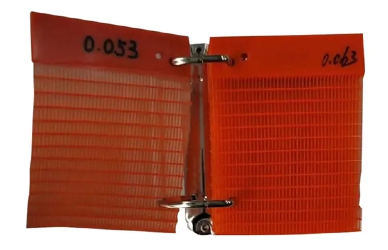
In Rubber Screen Plates, regular rotation or replacement of worn panels is essential for maintaining consistent screening efficiency. Over time, continuous impact and abrasion can cause uneven wear on the panels, leading to reduced throughput, material blinding, or inaccurate separation. By rotating panels to distribute wear evenly or replacing damaged sections promptly, operators can ensure the screen continues to perform at its optimal capacity.
Many rubber screens are designed with a modular panel system, allowing individual sections to be easily removed, rotated, or replaced without dismantling the entire screen. This modular approach enables quick maintenance, minimizes operational downtime, and reduces labor costs associated with screen upkeep. It also allows plants to adapt the screen configuration to specific material types or feed conditions, providing flexibility and long-term cost savings.
By implementing modular panel replacement and rotation, mining, quarrying, and recycling operations can maximize efficiency, extend the service life of rubber screens, and maintain consistent material separation across demanding industrial applications.
Proper feed distribution is essential for achieving maximum efficiency with Rubber Screen Plates. Materials should be spread evenly across the full width of the screen to utilize the entire screening area, prevent localized overloading, and avoid material bypass or uneven separation. Uneven distribution can reduce throughput, increase wear on specific panels, and compromise product quality.
Excessive feed rates or overloading can strain the screen, causing premature wear, material blinding, and reduced screening efficiency. By monitoring and controlling feed rates, operators can maintain consistent throughput while preserving the longevity of the rubber screen panels. Proper load management also reduces downtime and lowers maintenance costs.
Consistent feed and proper material distribution help maintain smooth material flow, optimize screening performance, and extend equipment lifespan. This practice is especially important in mining, quarrying, and recycling operations, where variable material sizes and feed rates are common.
By actively monitoring feed rates and material distribution, plants can ensure efficient, reliable, and long-lasting operation of rubber screen plates, improving overall productivity and reducing operational costs.
A1: Selecting the appropriate rubber hardness for Rubber Screen Plates depends on several factors, including the type of material being screened, the level of impact, and the degree of abrasion expected during operation. Softer rubber is well-suited for heavy, coarse, or irregular materials, as it absorbs shocks and reduces stress on both the screen and supporting equipment. Harder rubber, on the other hand, is more suitable for fine, abrasive materials, providing superior wear resistance and maintaining screening precision over time. Consulting with manufacturers or material experts can help optimize hardness selection for maximum durability and efficiency.
A2: Material blinding, where particles stick to or block the screen surface, can significantly reduce throughput and separation accuracy. To prevent this, it is important to implement a combination of regular cleaning, proper tensioning, and selecting the correct surface perforation pattern for the material type. Additionally, monitoring feed rates and ensuring even material distribution across the screen can further minimize blinding, keeping the screening process smooth and efficient.
A3: Rotating or replacing panels on modular rubber screens helps distribute wear evenly across the screen surface. This practice maintains proper tension, prevents localized sagging, and ensures a consistent open area for material to pass through, which improves throughput. Regular panel rotation also extends the lifespan of the screen, reduces maintenance frequency, and maintains high screening accuracy, particularly in heavy-duty operations where wear can be uneven.
A4: Yes, the flexible nature of rubber screen plates allows them to handle varying feed rates and material sizes without compromising performance. However, maintaining even material distribution and avoiding overload conditions is critical to prevent excessive wear and material blinding. Proper feed management ensures that the screen operates efficiently under both light and heavy loads, maximizing throughput, reducing downtime, and prolonging the life of the rubber panels.
Rubber Screen Plates offer versatile and durable solutions for improving screening efficiency in mining, quarrying, and recycling operations. By focusing on five key methods—optimizing screen tension and installation, selecting appropriate rubber hardness and surface design, maintaining regular cleaning, implementing modular panel rotation and replacement, and monitoring feed rates and material distribution—plants can achieve smoother material flow, higher throughput, reduced downtime, and extended equipment lifespan.
Proper material selection, installation, maintenance, and operational practices are critical to maximizing both the durability and performance of rubber screens. These practices not only enhance efficiency but also reduce maintenance costs and operational disruptions, ensuring more reliable and cost-effective screening processes.
For companies seeking tailored solutions, Shanghai Kminda Tech. Co., Ltd. provides high-quality rubber screen plates and expert guidance to meet the specific needs of different industries and operational conditions, helping plants achieve optimal performance and long-term operational success.
