

close
Choose Your Site
Global
Social Media
Views: 0 Author: Site Editor Publish Time: 2026-08-21 Origin: Site


Inefficient wet screening drives up operational costs across mineral processing and aggregate washing plants. Excessive moisture in final products creates severe downstream bottlenecks, forcing frequent equipment downtime and complicating material handling. Wet, slurry-based, and high-moisture materials present inherent physical challenges. Particles naturally cling together under damp conditions. This cohesive behavior causes rapid screen blinding, severe pegging of near-size particles, and accelerated media wear. Traditional separation methods often fail to handle these heavy, dynamic loads effectively. Evaluating a linear vibrating screen provides a targeted technical solution for heavy-duty dewatering, desliming, and wet classification. This equipment utilizes specialized linear motion to break surface tension and force moisture through the deck. Implementing this technology improves overall material quality and significantly reduces maintenance downtime compared to conventional screening options.
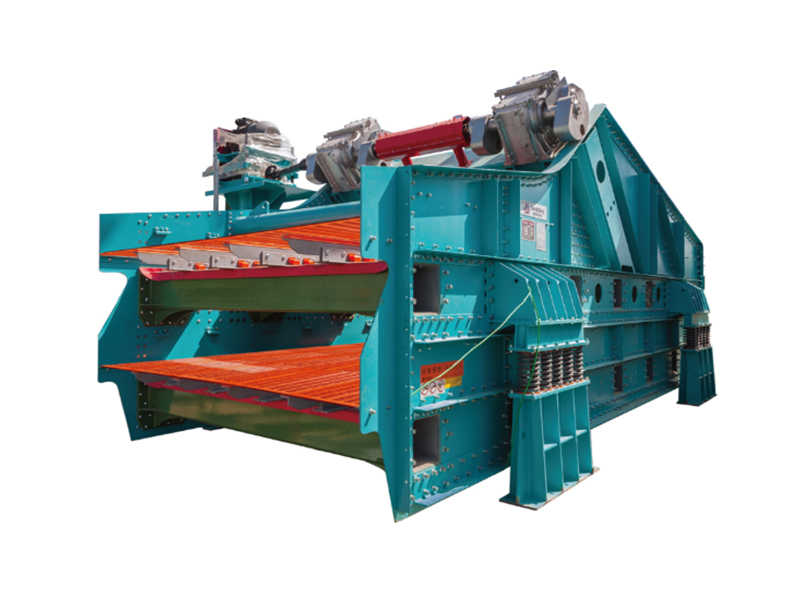
Mechanism of Action: Linear vibrating screens utilize dual counter-rotating unbalanced motors to produce a straight-line trajectory, actively propelling wet material forward while forcing moisture through the deck.
Application Specificity: While highly effective for heavy-duty dewatering of slurries, linear screens require precise configuration (G-force, stroke angle, and deck slope) to maintain peak efficiency and handle varying moisture levels.
Media and Feed Optimization: Achieving sustained screening efficiency relies heavily on selecting the correct screen media (e.g., polyurethane) and optimizing the feed distribution to prevent localized overloading.
Total Cost of Ownership: Proper implementation reduces downstream drying costs and improves product recovery, but requires proactive management of structural fatigue, feed rates, and media replacement cycles to prevent time-dependent efficiency degradation.
Table of Contents
Understanding the behavior of wet materials under vibration requires analyzing specific physical forces. Surface tension acts as a binding agent in wet slurries. When processing materials like silica sand or coal tailings, water molecules create a cohesive bridge between solid particles. Capillary action further complicates separation by drawing smaller particles and liquid into the tight spaces of the screen mesh. Agglomeration occurs when these damp fines clump together, creating larger masses that refuse to pass through the designated apertures. You cannot simply apply more force to break these bonds; you must apply the correct type of directional force.
Operators must distinguish between blinding and pegging to troubleshoot efficiency losses on the deck. Moisture exacerbates both conditions by altering the friction coefficient of the particles, but they require different mechanical interventions.
Issue | Mechanical Definition | Impact of High Moisture | Field Resolution |
|---|---|---|---|
Blinding | Fines and moisture coat the screen surface, sealing the open area. | Acts as an industrial glue, dropping open area rapidly toward zero. | Install high-pressure spray bars; switch to flexible polyurethane media. |
Pegging | Near-size particles wedge tightly into the mesh openings. | Lubricates particles just enough to wedge them deeper under vibration. | Adjust stroke amplitude; utilize wedge wire panels to relieve particles. |
Screening efficiency rarely remains static throughout a production shift. Operational data shows that efficiency naturally degrades over time. A screen might hit maximum screening efficiency during the first 10 minutes of a cycle. As blinding accumulates and media wears, this efficiency drops significantly. Maintaining peak performance requires continuous media cleaning. Spray bars must operate at optimal pressures to keep the deck clear. Steady, controlled feed rates prevent sudden overloading that crushes the stratified bed and traps water on top of the solids.
Evaluating wet screening success relies on establishing strict baseline metrics. Plant managers track these indicators to ensure the equipment performs to specification:
Moisture Reduction Percentage: Dictates the effectiveness of the dewatering process. Lower final moisture reduces downstream drying requirements and prevents material from freezing in stockpiles.
Throughput Capacity: Measures the tons per hour processed without overwhelming the deck or causing slurry to pool.
Size Classification Accuracy: Ensures the final product meets strict gradation specifications without excessive fines carryover.
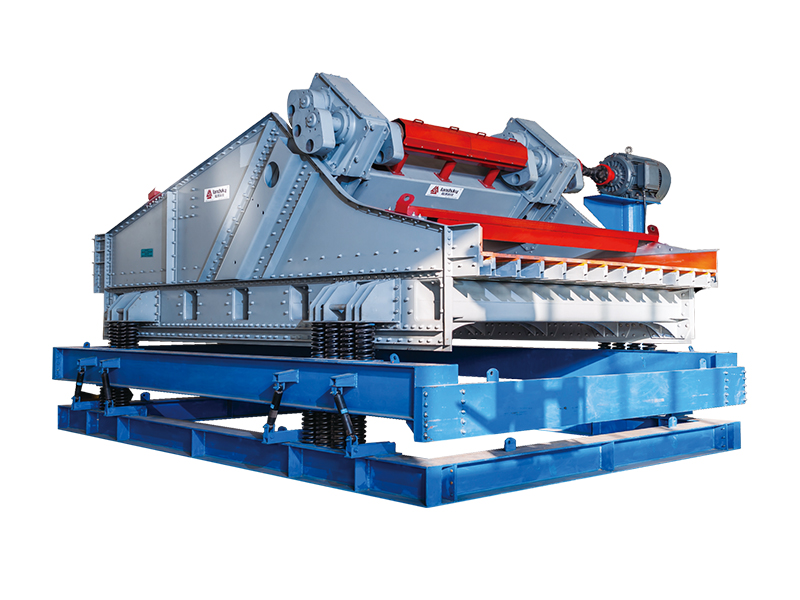
The mechanical foundation of this equipment relies on precise vibratory physics designed specifically to handle heavy, fluid loads.
The system utilizes dual counter-rotating vibratory motors. These motors mount securely to the exciter beam above or below the deck. As they rotate in opposite directions, they synchronize automatically. The circular forces generated by the eccentric weights cancel each other out perfectly in the horizontal plane. The combined forces compound in the vertical and forward planes. The result is a purely linear, straight-line motion that drives the entire screen body with immense force.
This linear motion operates at a specific throwing angle, typically set at 45 degrees. This angle lifts the wet material up and propels it forward across the deck. The aggressive impact upon landing breaks the surface tension of heavy wet slurries. The material bed stratifies instantly. Coarse, heavier particles rise to the top of the bed. Smaller particles and water filter down through the voids and fall efficiently through the mesh. This continuous lifting and dropping action prevents water from riding on top of the material bed.
The presentation of material onto the deck dictates the success of the entire process. The feeding funnel or chute must deliver a controlled, uniform flow. Plant operators must follow specific setup procedures to optimize the feed box:
Reduce the drop height difference between the chute and the deck to prevent high-impact damage to the initial screen panels.
Install a spreader plate or velocity breaker to ensure an even, full-width material spread before the slurry hits the active screening area.
Monitor for deck pooling. Pooling occurs when slurry concentrates in the center of the deck, reducing the active screening area and forcing water to carry fines over the discharge lip.
Operators must configure the equipment differently based on the specific processing goal. Dewatering removes free liquid from a solid product. Operators often configure the deck with a slight upward incline, known as a negative slope. This forces the water to pool slightly at the feed end, creating hydrostatic pressure that pushes liquid through the media while solids climb the incline to discharge. Desliming removes ultra-fine particles from a coarser product. It utilizes a horizontal setup and relies heavily on high-pressure spray bars to wash the slimes through the deck while the linear motion conveys the clean solids forward.
Selecting the correct vibratory equipment requires matching the machine's motion to the material's physical state. Installing the wrong screen type in a wet application guarantees operational failure.
These machines provide superior performance for dewatering heavy slurries. Their horizontal or low-incline design makes them ideal for low-headroom installations inside existing wash plants. They handle high-capacity heavy loads effortlessly. A properly tuned linear vibrating screen delivers consistent material quality and lowers operational costs in wet processing. However, they can struggle with highly plastic, damp, and sticky clays. Without proper media selection or high-pressure spray integration, sticky materials will blind the deck.
These screens excel in dry, free-flowing bulk classification. They utilize gravity via steep downward inclines, often 15 to 20 degrees, to enhance throughput and convey material. They remain highly inefficient for dewatering. The circular motion causes wet material to pool, roll, or tumble rather than stratify. This rolling action traps moisture inside material clumps, leading to poor water separation and excessive moisture in the final product.
This represents the optimal choice for extremely sticky, damp, or fine materials that blind standard screens. When material crosses the threshold from a fluid wet slurry to a cohesive sticky agglomeration, the stretching and relaxing of the flip flow's polyurethane mats provide the necessary shearing force to expel particles. They require a higher initial capital cost. The flexible mats offer lower structural capacity for heavy bulk dewatering, and the dual-mass drive systems demand more complex maintenance compared to standard linear models.
Feature | Linear Vibrating Screen | Circular Vibrating Screen | Flip Flow Screen |
|---|---|---|---|
Motion Type | Straight-line, 45-degree throw | Circular or elliptical | Dual-mass, stretching/relaxing |
Best Application | Dewatering, desliming, wet classification | Dry, free-flowing bulk sizing | Sticky, damp, difficult-to-screen fines |
Moisture Handling | Excellent (forces water through deck) | Poor (causes material to roll/pool) | Excellent (prevents sticky blinding) |
Deck Incline | Horizontal or slight upward (negative) | Steep downward (15-20 degrees) | Slight downward |
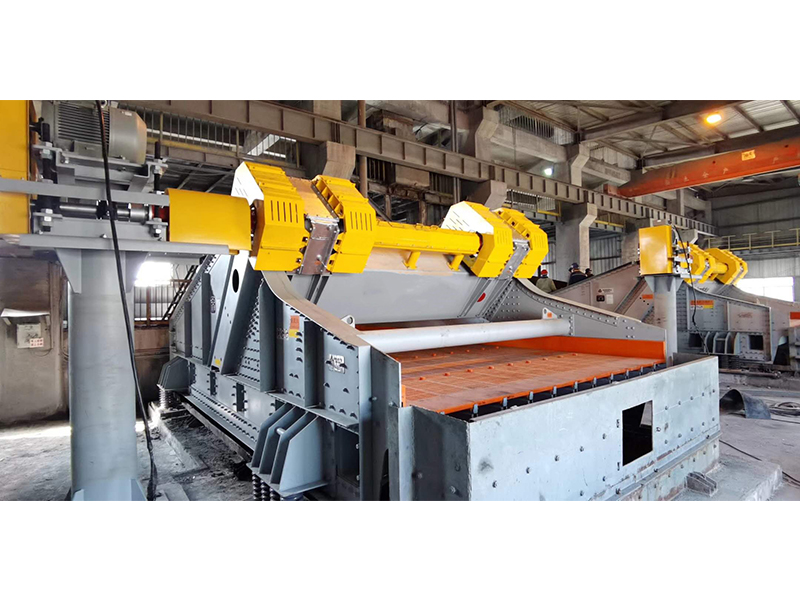
Maximizing performance requires configuring the internal components to match the specific slurry characteristics. Off-the-shelf configurations rarely deliver optimal results in heavy-duty wet applications.
Evaluating the technical trade-offs of different decks remains critical for wet applications. The wrong media will destroy throughput capacity within hours.
Polyurethane Panels: These provide exceptionally high wear resistance against abrasive slurries like sand and gravel. The material flexes slightly under vibration, which helps resist blinding. They serve as the industry standard for wet environments due to their longevity.
Wedge Wire: This media features a V-shaped profile that provides excellent open area. The geometry naturally relieves particles as they pass through, making it highly resistant to pegging. It excels in heavy dewatering applications where maximum water drainage is required.
Woven Wire Mesh: While cost-effective, wire mesh remains prone to rapid wear and severe blinding in wet applications. It requires specialized anti-blinding configurations, such as ball trays, and strict maintenance schedules to remain viable.
Tuning the amplitude and frequency directly impacts the separation of water from solids. Higher G-forces are often required to break the surface tension of heavy, viscous slurries. A longer stroke aggressively lifts heavy material beds, while a higher frequency helps shake loose trapped moisture. Operators must calculate the exact dynamic loads to prevent structural damage while maximizing stratification. Running a screen at 5.0G provides excellent dewatering but requires a heavily reinforced frame.
Adjusting the slope of the screen alters material retention time. A steeper downward slope accelerates throughput but sacrifices dewatering time, leaving the final product too wet. A horizontal setup balances capacity with moisture removal. A slight upward incline, known as a negative slope, maximizes water drainage. It creates a shallow pool at the feed end, allowing water to drain while the linear motion forces the dried solids uphill to the discharge lip.
Strategic placement of high-pressure wash water aids in stratification. Spray bars wash away stubborn fines and prevent agglomeration on the deck. Nozzles must overlap perfectly to ensure uniform coverage across the entire width of the screen. Insufficient water pressure or clogged nozzles will immediately cause localized blinding, degrade efficiency, and allow dirty material to reach the discharge chute.
Deploying vibratory equipment in wet environments introduces specific mechanical stresses that operators must manage proactively. Ignoring these realities leads to catastrophic equipment failure.
Wet materials are significantly heavier than dry bulk. They exert massive, continuous dynamic loads on the screen body. Managing this fatigue requires robust engineering. Stress-relieved frames prevent premature cracking under high G-forces. Huck-bolted construction eliminates loose fasteners and maintains structural integrity. Welding on side plates causes stress risers and leads to catastrophic failure under high-frequency vibration. Always specify bolted construction for heavy-duty wet applications.
A realistic approach to optimization focuses on continuous monitoring. Properly tuning the linear vibrating screen reduces overall operational costs and minimizes unplanned downtime. It yields a higher quality, consistent end-product. Operators achieve this by matching the feed rate to the machine's exact capacity, preventing the structural damage caused by surging or overloading. Consistent feed presentation is the single most important factor in maximizing equipment lifespan.
Establishing strict inspection routines prevents sudden efficiency drop-offs. Field crews must execute these checks regularly:
Check motor synchronization daily to ensure the linear motion remains perfectly straight.
Monitor spring compression to detect uneven wear, which causes erratic motion and structural twisting.
Inspect media panels weekly for localized wear or missing pins to prevent oversized material from contaminating the product.
Clear feed distributors and spray bar nozzles routinely to maintain an even spread and consistent washing.
Grease vibratory motor bearings according to the manufacturer's exact hour intervals to prevent overheating.
Take the following actionable steps to optimize your wet screening process and eliminate downstream bottlenecks:
Consult an application engineer to conduct comprehensive material testing and sieve analysis on your specific slurry.
Execute moisture testing to determine the exact G-force, stroke, and frequency required to break surface tension.
Select polyurethane or wedge wire screen media based on your primary need for wear resistance versus maximum open area.
Design a feed chute that eliminates drop height impact and guarantees a full-width, uniform material spread across the deck.
Implement a strict daily inspection protocol focusing on motor synchronization, spring compression, and spray bar nozzle clarity.
As an industry-leading pioneer in heavy-duty screening technology and mineral processing machinery, Shanghai Kminda Tech. Co., Ltd. combines state-of-the-art manufacturing with deep application expertise, delivering world-class linear vibrating screens engineered to maximize processing uptime, boost product recovery, and withstand the harshest industrial environments.
A: Maximum screening efficiency often peaks early in the cycle, sometimes reaching optimal levels within the first 10 minutes. Efficiency naturally degrades over time as media wears, blinding accumulates, or feed rates fluctuate. Maintaining peak performance requires continuous media cleaning, optimized spray bars, and consistent feed presentation.
A: Prevent blinding by utilizing flexible polyurethane panels or wedge wire media. Integrate high-pressure spray bars to wash away sticky fines. Ensure the G-force and stroke are tuned high enough to break the surface tension of the wet material, forcing moisture through the apertures.
A: Linear screens use dual counter-rotating motors to create a straight-line motion that propels material forward, effectively forcing water through the deck. Circular screens use a single shaft to create a tumbling motion, which causes wet material to roll and pool, making them highly inefficient for dewatering.
A: A downward slope accelerates material travel, increasing throughput capacity but reducing dewatering time. A horizontal or slight upward incline (negative slope) slows the material down, increasing retention time and maximizing water drainage, though it slightly reduces overall tons-per-hour capacity.
A: The feeding funnel controls material presentation. Excessive drop height damages the screen media and causes rapid wear. An uneven feed causes material to pool in the center of the deck, reducing the active screening area, destroying efficiency, and allowing water to carry fines over the discharge.
A: Heavy-duty dewatering typically requires higher G-forces, often ranging between 4.0G and 6.0G, depending on the slurry's specific gravity and viscosity. This aggressive force is necessary to break strong surface tension, stratify the deep material bed, and expel trapped moisture through the screen media.


