

close
Choose Your Site
Global
Social Media
Views: 0 Author: Site Editor Publish Time: 2025-11-20 Origin: Site


Rubber screen plates play a vital role in mining, quarrying, and recycling operations, providing durable and efficient material separation in demanding industrial environments. Over time, these screens experience wear and tear, leading to worn-out panels that can no longer perform at peak efficiency. Improper disposal of these used screens can have a negative environmental impact, contributing to landfill waste and pollution.
The responsible management of worn rubber screen plates is therefore essential. Recycling and reusing these materials not only minimizes environmental harm but also offers potential economic benefits by reducing raw material consumption and extending the lifecycle of the rubber. This article aims to explore practical strategies for recycling, reusing, and managing worn rubber screen plates responsibly, helping operations maintain sustainability while optimizing costs and operational efficiency.
The first step in managing worn rubber screen plates is a thorough inspection to determine the extent of wear. Key factors include material thickness, surface integrity, elasticity, and perforation condition. Panels with minor wear may still function effectively, while severe thinning, cracking, or deformation can compromise screening efficiency, reduce throughput, and potentially damage the overall equipment. Regular inspection ensures early detection of wear, allowing for timely decisions on reuse or recycling.
Panels showing moderate wear may still be suitable for secondary applications. Examples include low-impact screening, protective linings, or industrial mats, where full performance is not critical. Repurposing worn panels in such ways not only extends their lifecycle but also reduces waste and provides significant cost savings for operations. Reuse also supports sustainability goals by minimizing the need for new raw materials.
Heavily worn or damaged panels that cannot maintain effective screening should be recycled. Mechanical recycling, shredding, or controlled energy recovery ensures that the material is processed responsibly, preventing it from ending up in landfills. Collaborating with certified recycling partners helps ensure compliance with environmental regulations and promotes a circular economy approach.
By carefully assessing wear and potential usability, plants can maximize the utility of rubber screen plates while supporting sustainability initiatives. Proper evaluation ensures that reusable panels continue to perform safely and efficiently, while unsalvageable ones are recycled responsibly, minimizing the environmental footprint and contributing to long-term operational efficiency.
Worn rubber screen plates that have experienced moderate wear can often be effectively repurposed for low-impact screening applications. In these environments, the material does not need to withstand heavy loads or highly abrasive conditions, making slightly worn panels still reliable for separating lighter or less dense materials. Utilizing these panels in secondary screening processes extends their functional life, reduces the need for new purchases, and helps maintain operational efficiency without compromising performance.
Pieces of worn rubber screens can also be adapted for protective linings, industrial mats, or cushioning materials. For instance, cut sections of panels can be used to line chutes, hoppers, conveyor surfaces, or other machinery components, providing shock absorption and protection against wear. This approach not only prevents equipment damage but also maximizes the value of the worn material, turning panels that might otherwise be discarded into functional assets for the plant.
Repurposing worn rubber screen plates provides multiple advantages. It creates significant cost savings by reducing the need for new screening materials, reduces waste by diverting panels from landfills, and extends the overall material lifecycle, supporting sustainable operational practices. Additionally, reusing panels contributes to environmental initiatives, helps plants comply with sustainability regulations, and demonstrates a commitment to resource efficiency.
By implementing these reuse strategies, operations can maximize the utility of worn rubber screen plates, maintain productivity, and promote environmentally responsible practices across mining, quarrying, and recycling industries.
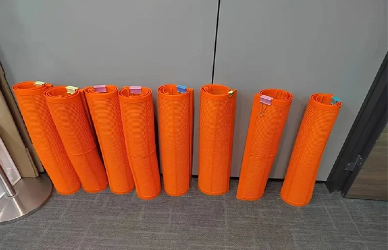
Worn rubber screen plates can be processed through mechanical recycling, where they are shredded, granulated, or ground into smaller particles. These recycled rubber materials can then be used as raw materials in the production of new industrial products, such as mats, protective linings, or rubber composites. Mechanical recycling not only reduces waste but also extends the lifecycle of rubber materials, promoting a circular economy within the industry.
Another method for managing worn rubber screens is energy recovery, where rubber waste is used as a fuel source in controlled industrial processes. By converting discarded panels into energy, plants can reduce landfill use while extracting value from materials that are no longer suitable for direct reuse or mechanical recycling. This approach requires proper safety and environmental controls to minimize emissions and ensure regulatory compliance.
Partnering with certified recycling companies ensures that worn rubber screen plates are disposed of safely and responsibly. These companies have the expertise and equipment to handle rubber waste, ensuring compliance with environmental regulations and minimizing ecological impact. Collaborating with trusted recyclers also allows plants to track the end-of-life processing of materials, demonstrating a commitment to sustainability and corporate social responsibility.
By adopting these recycling methods, operations can reduce environmental impact, recover value from worn rubber screen plates, and support sustainable practices across mining, quarrying, and recycling industries.
Recycling worn rubber screen plates helps divert significant amounts of rubber from landfills, reducing environmental burden. By reprocessing or repurposing panels instead of discarding them, operations can lower their carbon footprint and minimize pollution associated with traditional disposal methods. This contributes to more sustainable industrial practices and a cleaner environment.
Incorporating recycled rubber into new screen plates or other industrial products reduces the need for virgin raw materials. This approach not only lowers production costs but also maximizes the value extracted from worn panels. Reusing materials in this way promotes a circular economy, enabling industries to achieve cost efficiency while maintaining operational performance.
Recycling and reusing rubber screen plates enhances corporate sustainability initiatives, demonstrating environmental responsibility. It also ensures compliance with local and international regulations regarding industrial waste management. Companies adopting these practices can improve their corporate reputation, meet stakeholder expectations, and contribute to a more environmentally conscious industrial sector.
By embracing these strategies, operations can achieve both economic savings and environmental benefits, making rubber screen plate recycling a practical and responsible solution for mining, quarrying, and recycling industries.
A1: Yes, worn rubber screen plates with moderate wear can be safely repurposed for less demanding or low-impact screening applications. By assessing the wear level, panels that are no longer suitable for primary heavy-duty use can still perform effectively in secondary roles. This approach not only reduces waste but also helps plants save costs by extending the functional life of the screens.
A2: When rubber screen plates are mechanically recycled through shredding or granulating, the resulting rubber particles can be used in various industrial applications. They can be incorporated into mats, flooring, protective linings, or even new rubber screen plates, depending on the quality and particle size. This process maximizes material utilization and supports the production of cost-effective, sustainable products.
A3: Yes, environmental regulations for rubber recycling vary by region but generally require that used screens be processed in ways that prevent soil, water, and air contamination. Partnering with certified recycling companies ensures compliance with local and international standards, promoting responsible waste management and helping companies meet sustainability targets while avoiding potential fines or penalties.
A4: Properly assessed and repurposed rubber screen plates maintain acceptable performance for secondary applications, ensuring smooth operation without compromising efficiency. Likewise, recycled rubber used in new industrial products retains functional properties for its intended purpose. By combining reuse and recycling strategies, plants can reduce environmental impact and lower operational costs without negatively affecting throughput or productivity.
Recycling and reusing worn Rubber Screen Plates is a highly effective strategy for reducing environmental impact, lowering operational costs, and extending the overall material lifecycle in mining, quarrying, and recycling operations. By carefully assessing wear levels, repurposing panels for secondary or low-impact applications, and collaborating with certified recycling companies, plants can ensure responsible and environmentally safe disposal of used screens while simultaneously realizing economic benefits.
Implementing these practices not only supports corporate sustainability initiatives but also helps companies comply with local and international environmental regulations. Additionally, adopting a circular economy approach by reusing and recycling rubber screen materials contributes to resource efficiency, minimizes landfill waste, and reduces the demand for virgin raw materials.
Companies like Shanghai Kminda Tech. Co., Ltd. provide expert guidance, high-quality products, and tailored solutions for the responsible management of worn rubber screen plates. Their expertise helps operations maintain consistent efficiency, operational reliability, and productivity while minimizing environmental footprint and promoting long-term sustainability across industrial processes. By integrating these strategies, businesses can achieve a balance between performance, cost savings, and environmental responsibility.
