

close
Choose Your Site
Global
Social Media
Views: 0 Author: Site Editor Publish Time: 2025-07-08 Origin: Site


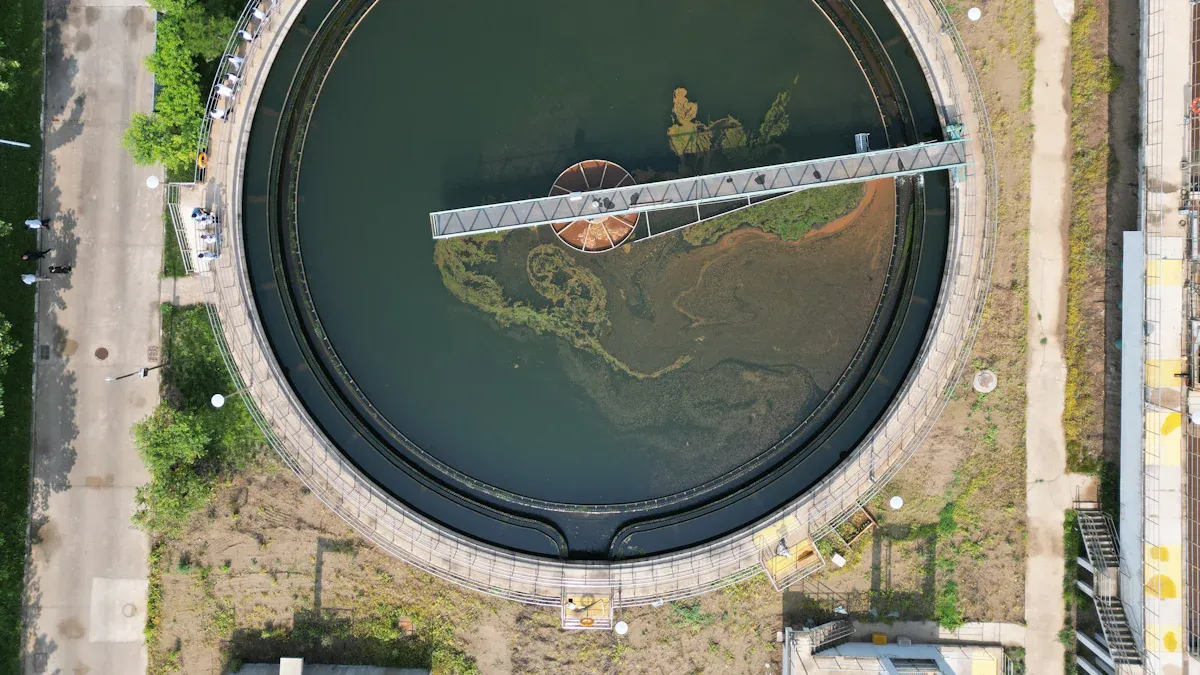
Clogging is a significant problem in cleaning wastewater, particularly in Wastewater Treatment Fine Screening. It reduces system efficiency, increases repair costs, and negatively impacts the environment. For instance, clogging can decrease water flow by 21% and obstruct filters. These issues hinder operations and diminish the effectiveness of treatment plants.
Fine screens, such as KMINDA's advanced solutions, can effectively address these challenges. These screens capture debris before it clogs systems, enhancing operational efficiency and preventing pollution from entering rivers and lakes.
Fine screens stop clogs in wastewater systems, making them work better.
They catch small trash like plastic and hair, keeping equipment safe and improving water.
Screens that clean themselves save time by removing trash automatically.
Self-cleaning screens need less fixing, which lowers costs to run them.
Fine screens block pollution from getting into rivers, helping the environment.
Using fine screens saves energy and uses fewer chemicals, which is better for nature.
Fine screens can be set up in different ways to fit any plant design.
Buying fine screens now can save money and make wastewater treatment greener.
Fine screens are important tools in cleaning wastewater. They trap small items like plastic, hair, and paper that can block systems. This helps treatment plants work better and prevents damage to equipment. The screens have tiny openings, between 1.5 and 6 millimeters, to catch small particles that larger screens miss. By doing this, they protect machines and improve later cleaning steps.
Mechanically cleaned screens work well when water flow is high. They use machines to clear debris, saving time and effort. Common types include:
| Classification | Type | Description |
|---|---|---|
| Mechanically Cleaned | Band Screens | Great for high water flow, with parallel bars to trap debris. |
| Mechanically Cleaned | Rotating Drum Screens | Uses a spinning drum with holes to catch solids while water passes through. |
Band screens are often used in city wastewater plants. Rotating drum screens are better for factories needing precise filtering.
Manually cleaned screens need people to remove trapped debris. These are used in smaller plants or temporary setups. They cost less but need more frequent cleaning than mechanical ones.
| Classification | Type | Description |
|---|---|---|
| Manually Cleaned | Manual Screens | Solids are removed by hand, used in small or temporary setups. |
Screening efficiency shows how well a fine screen stops debris. A study found that fine screens improve water quality by reducing harmful substances like ammonia nitrogen. This makes the treatment process work better overall.
How often a screen needs maintenance depends on its type and the debris it handles. Mechanically cleaned screens need less upkeep because they clean themselves. Manually cleaned screens need more attention, which can raise costs.
Flow rate measures how much water a screen can handle. For example, a plant in Georgia upgraded to a fine screen with 2.0 mm openings. It now processes 4 million gallons of water daily. This change reduced shutdowns and improved efficiency.
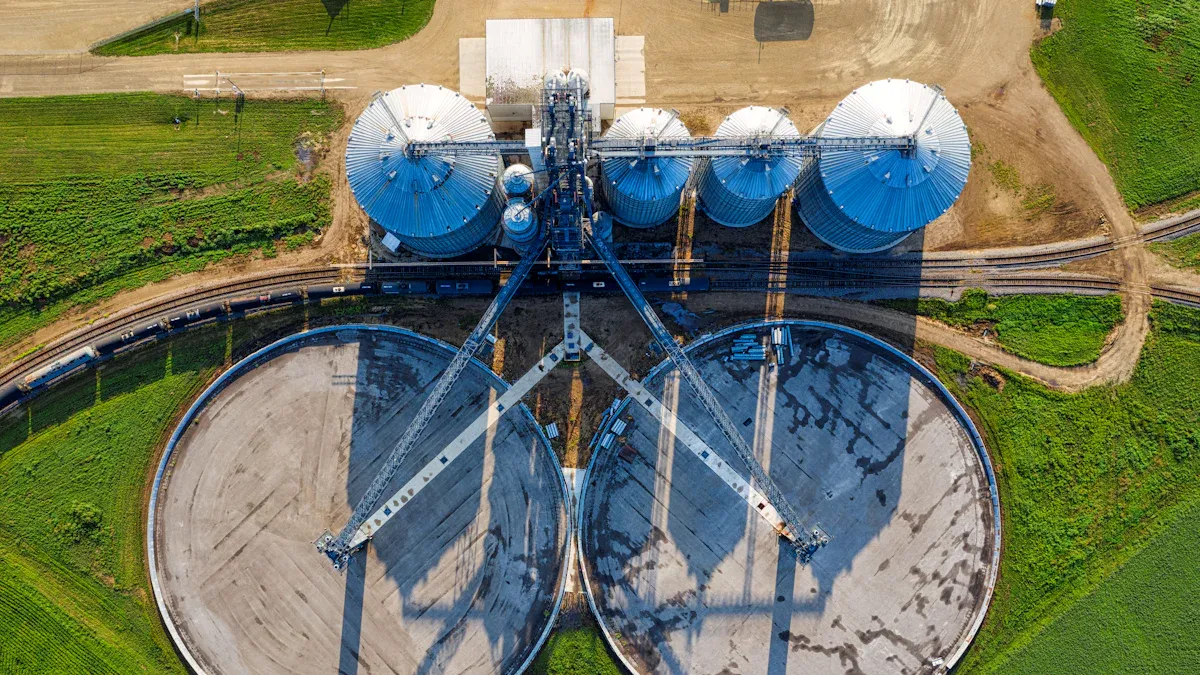
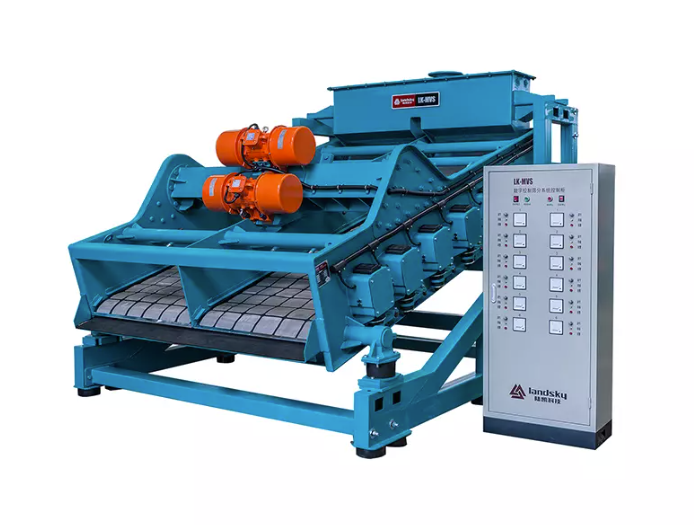
Fine screens clean water better than one-dimensional screens. One-dimensional screens catch debris in one direction only. Two-dimensional screens trap debris both sideways and up-and-down. This catches smaller particles and stops clogs. It also helps wastewater systems work more efficiently.
For example, a factory using two-dimensional fine screens had fewer problems. Their machines stayed safe, and they saved money by avoiding repairs. These screens also reduced downtime, making the system run better.
The size of screen openings is very important. Fine screens with tiny openings catch small things like hair and plastic bits. This keeps harmful stuff out early and protects other equipment.
Fine screens remove tiny debris that bigger screens miss.
A plant using self-cleaning fine screens saw cleaner water.
These screens also cut costs by stopping debris buildup.
Choosing fine screens with small openings makes systems work better and avoids problems.
The wedge-shaped bars on fine screens help stop clogs. Debris slides off instead of sticking to the screen. This design keeps water flowing and traps solids well. It also means less cleaning and a longer-lasting screen.
Self-cleaning screens are another great feature. They clear trapped debris automatically, so clogs don’t form.
| Design Feature | Description |
|---|---|
| Self-Cleaning Feature | Clears debris to keep the screen working well. |
| Size of the Screen Openings | Traps particles based on size for better performance. |
| Screen Design | Strong and durable, thanks to resistance welding. |
| Capture Rate | High capture rate removes harmful materials effectively. |
These features make fine screens reliable for stopping clogs and keeping systems efficient.
Fine screens protect important equipment like pumps and aerators. They catch debris early, stopping clogs that could break machines. This keeps equipment working longer and better.
Using fine screens saves money by needing less maintenance. Studies show they cut maintenance costs by 30%. Fewer breakdowns also mean less downtime and smoother operations.
Fine screens don’t just clean water. They protect equipment, lower costs, and make systems more reliable.
For more ideas, see how fine screens improve city wastewater systems or learn about advanced filtration benefits.
The Rittman Wastewater Treatment Plant had many equipment problems. Debris buildup caused expensive repairs and slowed operations. After adding KMINDA’s fine screens, the plant improved quickly. The screens caught small items like hair and plastics that clogged pumps.
The results were impressive:
30% lower maintenance costs.
20% better system performance.
Fewer shutdowns, keeping operations smooth.
Fine screens helped Rittman WWTP save money and clean water better for the community.
Hazlehurst WWTP had too much solid waste in its inflow. Old screens couldn’t handle it, causing frequent blockages. The plant switched to KMINDA’s self-cleaning fine screens with wedge-shaped bars. These screens removed debris even during heavy water flow.
Key results included:
25% better flow rate.
Big drop in downtime.
Stronger protection for important equipment.
The Hazlehurst case shows how fine screens improve wastewater treatment in tough situations.
A pet food company had special wastewater problems. Organic waste from production clogged their old screens. KMINDA’s circular vibrating fine screens solved the issue. These screens separated small particles while keeping water moving fast.
Benefits for the company:
40% higher throughput.
Cleaner water that meets strict rules.
Less damage to processing machines.
This example shows how fine screens work well for factories, improving both compliance and efficiency.
Fine screens can be installed in different ways to fit plant layouts. Vertical setups save space, which is great for small facilities. Angled setups catch debris better by improving water flow.
KMINDA’s fine screens handle different water flows and waste types easily. They work well for city wastewater or factory effluents. For example, a plant processing 5 million gallons daily improved operations with fine screens that have smaller openings.
This flexibility makes fine screens useful for any wastewater system, no matter the size or complexity.
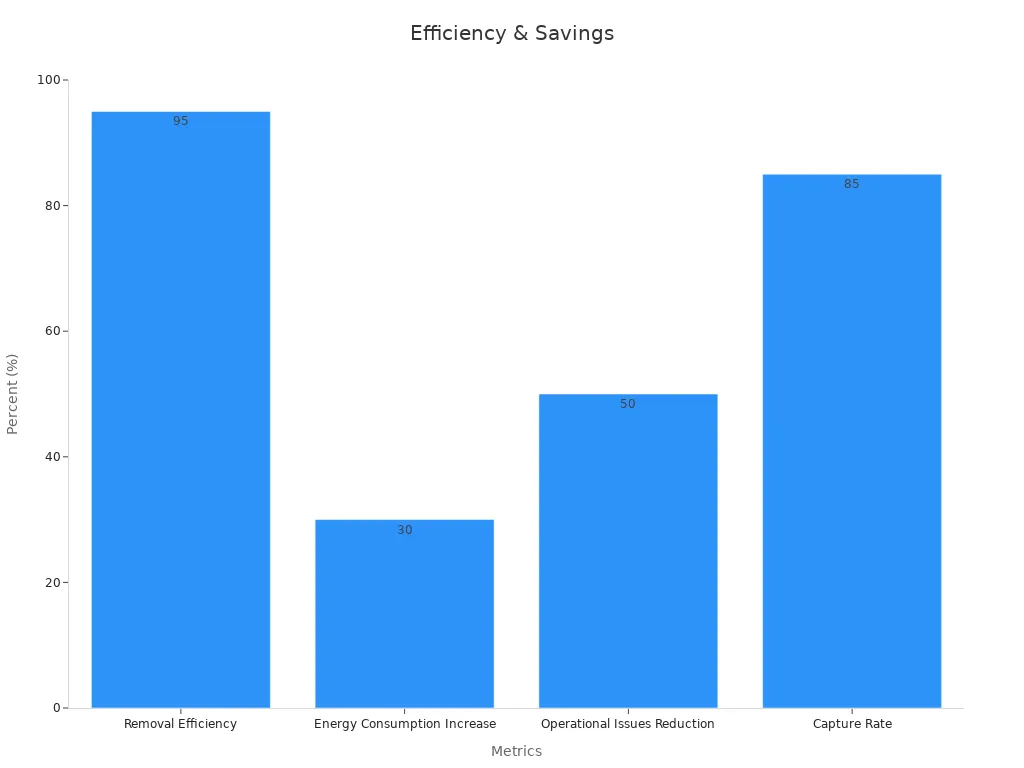
Fine screens help save energy in wastewater systems. They remove debris early, making pumps and aerators work less. This lowers energy use. Some plants using fine screens save up to 30% on energy. These savings reduce costs and make the process more eco-friendly.
Fine screens also cut down on chemical use. By catching solids early, they lower the amount of waste needing treatment. This means fewer chemicals are needed, saving money and helping the environment. Plants with fine screens often see big drops in chemical use, making their systems greener.
| Metric | Value |
|---|---|
| Removal Efficiency | Up to 95% |
| Energy Savings | Up to 30% |
| Fewer Operational Problems | Up to 50% |
| Capture Rate | Up to 85% |
Fine screens stop pollution from reaching rivers and lakes. They trap small items like plastic, hair, and paper. This keeps waterways cleaner and safer. For example, one plant using fine screens cut solid waste discharge by 95%, improving water quality.
Clean water is important for fish and other animals. Fine screens remove waste that could harm them. They also stop organic waste from lowering oxygen levels in water. By using fine screens, you help protect aquatic life and keep ecosystems healthy.
Fine screens help plants meet strict pollution rules like NPDES. These rules limit harmful waste in water. Fine screens’ high capture rates make it easier to follow these rules, avoid fines, and keep operations running smoothly.
Using fine screens supports global goals like the UN’s Sustainable Development Goals (SDGs). They lower energy use, chemical needs, and pollution. This helps create cleaner water and a healthier planet. It also boosts your plant’s reputation as a leader in sustainability.
Fine screens sometimes face problems that lower their performance. Small particles can block the screen, slowing water flow. Corrosion can damage parts, leading to sand entering pumps. This sand can harm pumps and make them wear out faster. Using the screen beyond its limit can cause more sediment buildup and damage.
| Challenge Type | Description |
|---|---|
| Physical Plugging | Tiny particles block the screen, reducing water flow. |
| Corrosion | Damaged parts let sand enter pumps, causing wear and tear. |
| Pump Damage | Sand causes pumps to fail by wearing them down. |
| Improper Well Design | Poor screen placement leads to sediment buildup and clogs. |
| Inadequate Well Development | Not preparing the well properly causes too much sediment removal. |
| Overpumping | Pumping too much water worsens sediment buildup and damages screens. |
These challenges show why good design and regular care are important for keeping systems efficient.
Setting up fine screens can cost a lot at first. Features like self-cleaning systems and wedge-shaped bars add to the price. But these features lower repair needs and prevent equipment breakdowns. While the upfront cost is high, the long-term savings from fewer repairs and better efficiency make it worth it.
Cleaning and checking fine screens often is very important. It stops debris from building up and keeps water flowing smoothly. For example, regular inspections can catch problems like wear or clogs early. Fixing these issues quickly avoids expensive repairs and helps your equipment last longer.
Training your team helps them use fine screens correctly. Workers should know how to check screen performance and do basic maintenance. They should also learn how to fix small problems before they get worse. Proper training makes operations smoother and reduces system downtime.
New tools like artificial intelligence (AI) and the Internet of Things (IoT) are improving fine screen systems. IoT sensors watch screen performance in real time, spotting problems like clogs or slow water flow. AI studies this data to predict when maintenance is needed. These tools help fix issues before they cause bigger problems, saving time and money.
Washer-compactors make fine screens more efficient by managing more waste. They squeeze and dry debris, making it smaller and easier to throw away. Adding washer-compactors to your system improves waste handling and keeps screens working well, even with heavy use.
The future of wastewater treatment is moving toward Water Resource Recovery Facilities (WRRFs). These facilities do more than clean water—they recover useful resources like water, energy, and nutrients. Fine screens are key to this change. They remove solids early, protect equipment, and help recover reusable materials.
For example, fine screens separate organic waste, which can turn into biogas through anaerobic digestion. Biogas is a renewable energy source that reduces the need for fossil fuels. Fine screens also help recover phosphorus and nitrogen, which are used in fertilizers for farming. By using fine screens, you support a circular economy and improve resource recovery.
Fine screens fit well with the idea of a circular economy. They separate materials efficiently, reducing waste and reusing valuable resources. For instance, fine screens trap microplastics and pollutants before they reach rivers, protecting nature and promoting sustainability.
In industries, fine screens recover useful byproducts like fibers, metals, or organic matter. These materials can be reused or sold, creating extra income. Adding fine screens to your system reduces waste and opens up new ways to recover resources.
The global market for wastewater fine screens is growing fast. Urbanization, stricter rules, and the need for better wastewater solutions are driving this growth.
The market is expected to grow from $2.5 billion in 2025 to $4.2 billion by 2033.
This equals a yearly growth rate (CAGR) of 7%.
New technologies are also improving fine screening. Tools like artificial intelligence (AI) and the Internet of Things (IoT) allow real-time monitoring and predictive maintenance. This keeps systems running smoothly. The table below shows how fine screens remove harmful compounds from wastewater:
| Compound | EWW Positive Finding (%) | SW Positive Finding (%) |
|---|---|---|
| Irbesartan | 92 | 39 |
| ISW1 | 87 | 6 |
| IB3 | 84 | 22 |
| Valsartan | 79 | 33 |
| Venlafaxine | 87 | 22 |
| Ofloxacin | 82 | 17 |
| Ibuprofen | 11 | 6 |
| Gemfibrozil | 24 | 22 |
| GSWB1 | 71 | 33 |
As the market expands, fine screens will remain important for meeting sustainability goals. By adopting this technology, you stay ahead of regulations and help create a cleaner future.
The wastewater industry is changing fast with new technologies. These tools make fine screens smarter, stronger, and more efficient. Here are some exciting updates you should know:
AI helps plants know when to fix their fine screens. It studies data from sensors to spot problems early. This stops sudden breakdowns and saves time. For example, AI can notice changes in water flow or debris buildup. It warns you before small issues become big problems.
IoT connects fine screens to smart devices. Sensors track water flow, debris, and screen health. You can check this data on your phone or computer anytime. This helps you fix problems quickly and keep things running smoothly.
IoT Benefits for Fine Screens:
Alerts for clogs or issues right away.
Better control of water and debris.
Less need for manual checks, saving effort.
High-frequency vibrating screens are great for catching tiny particles. They shake quickly to separate fine debris. These screens work well for industries with wet or small materials. They help clean water better and improve system performance.
New materials like special metals and strong plastics make fine screens last longer. These materials resist damage from chemicals and high pressure. This means fewer replacements and lower costs over time.
Modern fine screens use less energy. Self-cleaning features reduce the need for manual cleaning. Some systems even use solar power to run. These designs save energy and help the environment.
New technologies are improving wastewater treatment. By using them, you can save money, work faster, and stay ahead in the industry.
Fine screens, like those from KMINDA, make wastewater treatment better. They stop clogs, protect equipment, and improve how systems work. By catching debris early, they lower costs and keep water cleaner. These screens also help the environment by stopping pollution.
The benefits last a long time. You save money on repairs and energy. Cleaner water meets rules and helps protect nature. Fine screens also keep rivers and lakes safe for plants and animals.
Using fine screens is a smart way to manage wastewater efficiently and sustainably.
Fine screens catch small debris like plastics, hair, and paper. This stops clogs, protects machines, and helps later cleaning steps work better. By trapping these items early, fine screens keep systems running smoothly and water cleaner.
Fine screens have tiny openings (1.5–6 mm), while coarse screens have bigger gaps. Smaller openings let fine screens trap tiny particles, giving better filtration and keeping equipment safe from damage.
Yes, fine screens like KMINDA’s can manage different flow rates. Mechanically cleaned screens work well with fast water flow, keeping filtration strong and reliable.
Yes! Fine screens work great in factories like food processing plants. They separate waste effectively, follow environmental rules, and protect machines from harm.
Self-cleaning screens clear debris automatically. This stops clogs, lowers maintenance needs, and keeps systems running without interruptions. These features make fine screens dependable and cost-saving.
Fine screens stop pollutants like plastics and waste from reaching rivers. This keeps water clean, protects fish and plants, and supports eco-friendly goals. They also use less energy and fewer chemicals, helping the planet.
Fine screens meet strict rules like NPDES standards. They remove harmful substances, helping facilities avoid fines and follow environmental laws.
Yes, KMINDA offers fine screens that can be adjusted to fit your needs. Whether you need certain opening sizes, flow rates, or installation styles, these screens can be tailored to solve your challenges.


