

close
Choose Your Site
Global
Social Media
Views: 0 Author: Site Editor Publish Time: 2025-06-30 Origin: Site


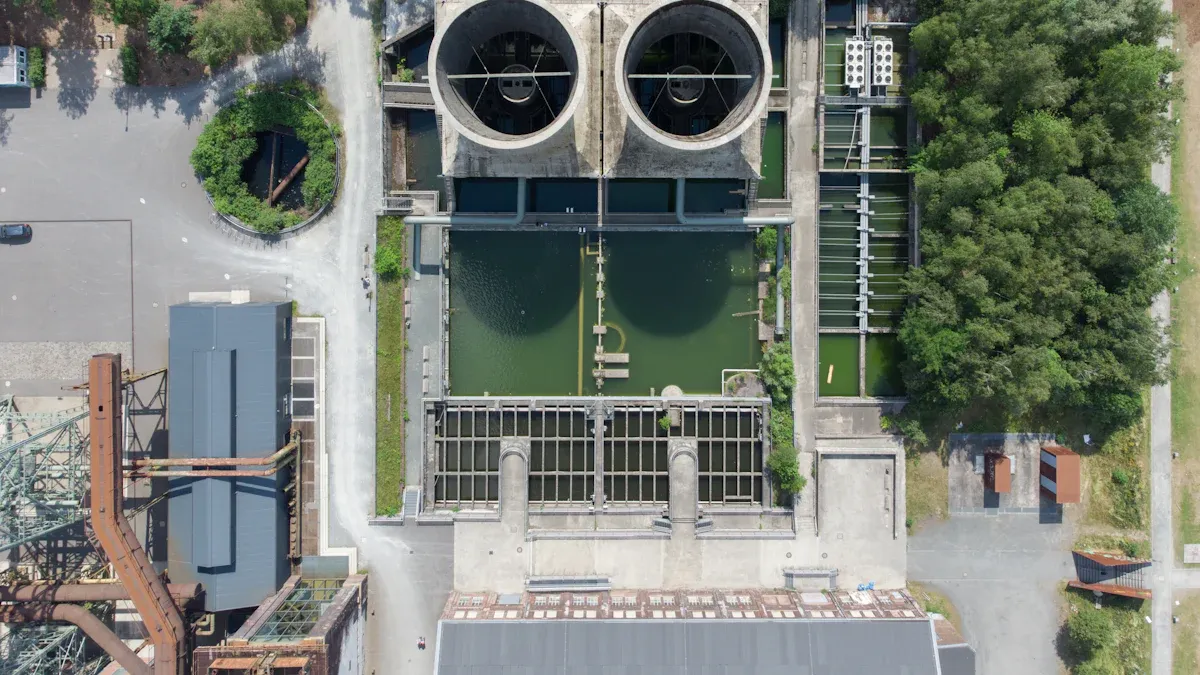
Did you know that wastewater treatment systems can be significantly damaged by small particles? Fine screens play a key role in protecting these systems. They efficiently remove solids, plastics, and fibers, ensuring smooth operations and extending equipment lifespan. In this post, we’ll explore why fine screens are essential for efficient wastewater treatment. You'll learn how they improve water quality, protect machinery, and contribute to a healthier environment.
Fine screens take out small trash and solids from dirty water.
They keep machines safe by stopping harmful junk from breaking them.
Using fine screens lowers repair costs and reduces work delays.
Fine screens help follow rules by making sure cleaner water is released.
Cleaning and taking care of fine screens often keeps them working well.
New fine screens can save useful stuff, helping the environment.
Picking the right fine screen makes water cleaning systems work better.
New screen designs, like self-cleaning ones, make them last longer and need less work.
Fine screens help clean wastewater by catching small trash and particles. They trap solids, plastics, and fibers that could harm the treatment process. By removing these items, fine screens make the water cleaner and easier to handle in later steps.
These screens can remove up to 95% of unwanted materials. This prevents clogs and reduces damage to pumps and other tools. With fewer repairs needed, the system works better and lasts longer. Fine screens also keep water flowing steadily, improving the next stages of treatment.
Fine screens are placed at the start of wastewater treatment. They stop debris from reaching and damaging sensitive equipment. By catching waste early, fine screens protect the entire system.
Static fine screens lower the amount of solids entering later stages. This makes the system more efficient and reduces the chance of equipment breaking. Adding fine screens to your setup creates a stronger and smoother process.
Wastewater plants must follow strict environmental rules. Fine screens help by cleaning water and protecting equipment. They stop clogs and damage, keeping operations steady and reliable.
Communities using advanced screens often meet rules more easily. For example, one town improved water quality with fine screens, helping residents stay healthy. Using fine screens not only meets regulations but also supports a cleaner environment.
Fine screens help make water cleaner by catching small trash. They remove fine solids, plastics, and fibers early in the process. This keeps the water cleaner for the next treatment steps. Cleaner water also helps meet strict environmental rules. For example, in City A, fine screens cut Total Suspended Solids (TSS) by 30%. Town B improved disinfection, and County C saw better water quality.
| Location | TSS Reduction | Better Disinfection | Water Quality Improved |
|---|---|---|---|
| City A | 30% | N/A | N/A |
| Town B | N/A | Yes | N/A |
| County C | N/A | N/A | Yes |
Using fine screens helps meet environmental laws and keeps water clean. Cleaner water is good for nature and helps keep people healthy.
Fine screens protect important tools in your system from damage. They stop harmful debris from reaching pumps and filters. Without fine screens, clogs and damage can happen, costing time and money.
Think of your system as a chain. If one part breaks, the whole chain fails. Fine screens keep the chain strong by stopping debris early. This protection helps equipment last longer and work better.
By keeping machinery safe, fine screens prevent sudden breakdowns. This saves money and keeps everything running smoothly.
Debris can clog equipment, causing repairs and delays. Fine screens catch this debris early, reducing wear on machines. This lowers repair costs and keeps things running longer.
For example, industries using fine screens report fewer pump problems. This means less downtime and smoother operations. With fewer stops, you can focus on improving your system.
Fine screens are also easy to clean and maintain. Their design makes removing debris simple and quick. By using fine screens, you save money and make your system more reliable.
Fine screens help protect the environment by making wastewater treatment more sustainable. They lower the negative effects of wastewater systems in several ways.
First, fine screens stop solid waste from entering rivers and oceans. They catch small trash, plastics, and fibers early in the process. This keeps harmful pollutants out of natural water sources. Cleaner water leaving treatment plants means safer habitats for fish and better water for people.
Second, fine screens help recover useful materials. Many treatment plants now collect organic matter and nutrients. By removing trash early, fine screens make it easier to gather these resources later. For example, organic waste can turn into biogas, a clean energy source. This reduces the need for fossil fuels and cuts greenhouse gases.
Fine screens also save energy in treatment systems. Clogged pumps use more power to work. By stopping clogs, fine screens help equipment run smoothly. This saves energy and lowers the system's carbon footprint.
Lastly, fine screens support reusing treated water. They improve water quality, making it fit for farming, factories, or even drinking after extra treatment. Reusing water saves freshwater for future needs.
Adding fine screens to your system helps the planet. Cleaner water, less waste, and energy savings all lead to a healthier Earth.
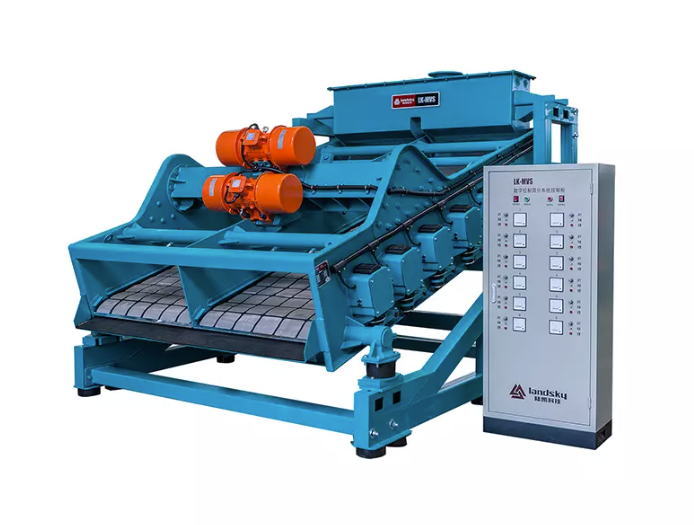
Bar screens are a common type of fine screen. They have vertical or slanted bars spaced apart. These screens catch large trash like rags, sticks, and plastics. Removing these items early stops clogs and protects equipment.
Bar screens are placed where wastewater first enters the plant. They can work manually or automatically. Automatic bar screens use rakes to clean themselves. This makes them great for systems with lots of water flow.
Drum screens are round and spin to clean water. They trap small particles like fine solids and fibers. The drum has tiny holes or mesh that let water through but block debris.
Drum screens are very good at catching small waste. For example, a 3-mm drum screen can catch up to 95% of debris. A 1-mm mesh screen can catch up to 98%. Their spinning motion keeps them from clogging, so they need less cleaning.
| Screen Type | Max Speed (ft/s) | Capture Rate (%) |
|---|---|---|
| 6-mm round-hole | 2.5 | 81% - 75% |
| 3-mm round-hole | 1.5 | 95% - 90% |
| 2-mm round-hole | 1.3 | 97% - 92% |
| 1-mm mesh | 1.2 | 98% - 97% |
| 0.5-mm mesh | 1.0 | 99.7% |
Drum screens work well with different water flows. This makes them a top choice for modern plants.
Step screens use plates that look like steps. These plates trap solids as water flows through. The steps move, lifting debris upward while keeping water loss low.
Step screens handle large amounts of water with mixed debris sizes. They clean themselves, so they don’t need much maintenance. They also work with both big and small waste, making them flexible for many needs.
Knowing about bar, drum, and step screens helps you pick the right one. Each type keeps your system running smoothly and meets environmental rules.
Mesh screens are great for catching tiny particles in wastewater. They use tightly woven material to trap debris while letting water pass. The size of the mesh holes decides what particles it can catch. Smaller holes can trap finer particles, making them perfect for advanced cleaning.
These screens can be used in different treatment steps. They are especially helpful when very clean water is needed. Industries like food processing and medicine rely on them for precise filtering. By removing even tiny contaminants, mesh screens keep the system running smoothly.
One big benefit of mesh screens is their flexibility. They come in materials like stainless steel or synthetic fibers. Stainless steel screens are strong and resist rust, so they work well in tough conditions. Synthetic fiber screens are lighter and cheaper, making them good for simpler jobs.
Mesh screens also help the environment. They catch small waste early, stopping pollution from reaching rivers and oceans. This keeps water cleaner for animals and people.
| Mesh Type | Material | Best Use |
|---|---|---|
| Stainless Steel Mesh | Strong, rust-resistant | Tough conditions |
| Synthetic Fiber Mesh | Light, affordable | Easier tasks |
Using mesh screens helps filter water better, protects equipment, and supports a cleaner planet.
Two-dimensional and in-to-out designs are smart upgrades in screen technology. They make wastewater treatment more effective by improving how water flows through.
Two-dimensional screens catch debris on the surface and inside the mesh. This double-layer design traps more waste, making it great for systems with lots of solids. These screens handle tough jobs without losing efficiency.
In-to-out screens work differently. Water flows from inside the screen cylinder to the outside. This keeps debris inside the screen, reducing clogs and keeping water flowing. Cleaning is easier because trapped waste is simple to remove.
Each design has its strengths. Two-dimensional screens are good for catching many particle sizes. In-to-out screens are better at avoiding clogs. Picking the right one depends on your system’s needs.
Adding these designs to your setup improves filtration, lowers maintenance, and helps manage water sustainably.
Keeping fine screens clean is very important. It helps them work well and keeps water flowing smoothly. Cleaning removes trapped debris and stops clogs. You can pick manual or automatic cleaning systems based on your needs.
Manual cleaning means workers remove debris with tools like rakes or hoses. This works for small systems or emergencies but needs regular attention. Automatic cleaning uses machines like rakes, brushes, or water jets. These systems clean screens all the time, saving effort and time.
Choosing the right cleaning system helps fine screens work better and need less upkeep.
Regular maintenance keeps fine screens working well and lasting longer. Inspections and cleaning stop damage and ensure smooth operation. Follow these simple steps:
Look at screens often to check for clogs or damage.
Clean debris by hand or with pressure washers if needed.
Write down all maintenance activities in a log.
| Maintenance Task | What to Do |
|---|---|
| Inspection | Check equipment and processes regularly. |
| Monitoring | Watch systems and water quality closely. |
| Cleaning | Clean screens and tanks to stop clogs. |
| Servicing | Fix pumps and other parts regularly. |
| Replacement | Change broken parts quickly to avoid problems. |
| Preventive Maintenance | Plan ahead to stop equipment from breaking. |
Good maintenance helps meet environmental rules and protects nature. It also saves water, energy, and money.
Watching how fine screens perform helps find problems early. Sensors and control systems track water flow, debris, and screen condition. These tools give real-time data, so you can fix issues fast.
If water flow slows or clogs happen often, check for debris or broken parts. Replace worn-out parts quickly to stop bigger problems. Keeping a record of performance helps spot patterns and fix repeated issues.
By monitoring and fixing problems early, fine screens stay efficient and support eco-friendly wastewater treatment.
Managing solids caught by fine screens is very important. These solids, called screenings, include plastics, fibers, and trash. If not handled correctly, they can harm the environment and cause problems. Follow these steps to handle them safely and efficiently.
Collection and Storage
Use strong, leak-proof bins to collect screenings. Keep bins in a safe place to stop spills or contamination.
Dewatering
Remove extra water from the solids to make them lighter. This helps with easier transport and disposal. Machines like presses or compactors can help with this step.
Transport
Use covered trucks to move screenings to disposal sites. This keeps debris from falling out and protects the environment.
There are different ways to dispose of screenings. The method depends on the type of waste and local rules.
Landfilling: Many places send screenings to landfills. Check that the waste meets landfill rules, like low moisture levels.
Incineration: Burning waste can reduce its size and create energy. This works well for trash that cannot be recycled.
Recycling: Some materials, like plastics or metals, can be recycled. This helps reduce waste and supports the environment.
| Disposal Method | Advantages | Considerations |
|---|---|---|
| Landfilling | Easy and common | Needs proper dewatering |
| Incineration | Shrinks waste, makes energy | May release harmful gases |
| Recycling | Helps the environment | Needs sorting and effort |
Handling screenings carefully keeps workers safe and nature clean. Always wear gloves and masks when working with waste. Follow local rules to avoid fines and protect the planet.
By following these steps, you can handle screenings properly. This keeps your system working well and helps the environment stay clean.
Fine screens face problems during wastewater treatment. One big issue is clogging. Trash like rags, plastics, and grease can block screens. This slows water flow and makes cleaning happen more often. Frequent cleaning takes time and costs more money.
Another problem is wear and tear. Screens work in tough places with rough materials and chemicals. Over time, this can damage them or make them less effective. If not fixed, repairs or replacements can be expensive.
Picking the wrong screen can also cause trouble. If the screen holes are too big, small trash gets through. If the holes are too small, the screen clogs easily. Both situations make the system less efficient.
New technology has solved many screen problems. Modern screens now clean themselves using brushes or water jets. These systems work automatically, saving time and effort.
Strong materials like stainless steel and alloys make screens last longer. These materials resist rust and damage, even in tough conditions. Some screens have parts you can replace instead of buying a whole new screen.
Smart sensors are another improvement. They watch water flow, trash levels, and screen health. This helps find problems early and fix them fast. For example, KMINDA screens use advanced sensors for better performance.
Fine screens are important in WRRFs. These facilities recycle water, energy, and nutrients from wastewater. Screens remove small trash early, helping other systems work better.
For example, fine screens protect digesters by stopping trash from entering. This helps make biogas, a clean energy source. Screens also help collect organic waste, which can be turned into fertilizer.
Fine screens improve water reuse too. Cleaner water can be used for farming, factories, or drinking after extra treatment. This saves freshwater and supports the environment.
The technology behind fine screens is changing fast. New ideas aim to make screens work better, help the environment, and meet growing wastewater needs. These trends can improve how wastewater systems work.
Smart screens now use IoT (Internet of Things) technology. Sensors check water flow, debris, and screen health in real time. Alerts warn you about clogs or damage, so you can fix them quickly. This keeps your system running smoothly.
Modern screens use less energy to work. High-frequency screens need little power but still perform well. Using energy-saving screens lowers costs and helps the planet.
New materials make screens stronger and last longer. Stainless steel alloys resist rust, while composite materials are light and tough. These screens work well in harsh conditions and need fewer repairs.
| Material | Key Benefit | Best Application |
|---|---|---|
| Stainless Steel Alloy | Resists rust and damage | Industrial wastewater systems |
| Composite Materials | Light and strong | High-flow systems |
Self-cleaning screens clean themselves using brushes or water jets. They stop clogs and save time by removing debris automatically. You won’t need to clean them by hand.
Sustainability is important in new screen designs. Some screens separate organic waste for biogas energy. Others filter water better for reuse. These features help protect the environment.
Modular screens let you change parts to fit your needs. You can adjust them for different water flows or trash types. This makes your system flexible and ready for future changes.
The future of fine screens looks promising. These new ideas can save money, improve efficiency, and help the environment. Upgrading to advanced screens keeps your wastewater system modern and effective.
Fine screens are very important in cleaning wastewater and keeping systems running well. They help make water cleaner, protect tools, and lower repair costs. To keep them working their best, clean and check them often. Picking the right screen for your system is also key. Using new technology can make them work even better and help the environment. As wastewater treatment focuses on reusing resources, fine screens will stay important for protecting nature.
If you need fine screens, reach out to KMINDA – they provide solutions crafted for accuracy.
Fine screens take out small trash, plastics, and fibers from water. They stop clogs and protect machines. By catching waste early, they make water cleaner and the process smoother.
Fine screens catch small solids and trash before other steps. This lowers pollution in the water. Cleaner water meets rules and helps nature stay healthy.
Yes, many fine screens, like drum or step screens, work well with high water flow. Their smart designs remove debris without slowing the system.
Clean fine screens often to keep them working well. Automatic systems make cleaning easier. For manual systems, check and clean weekly or as needed.
Fine screens catch plastics, fibers, small solids, and other trash. Some advanced screens can even trap tiny bits, making them great for industries needing clean water.
Yes, fine screens help the planet by cutting waste and cleaning water. They also recover useful materials like organic waste for energy or fertilizer.
Think about your system’s water flow, trash type, and goals. Mesh screens are good for tiny bits, while bar screens handle bigger trash. Experts like KMINDA can help you decide.
Fine screens need regular checks and cleaning. Use automatic cleaners for big plants to save time. Fix or replace broken parts quickly to keep them working well.


