

close
Choose Your Site
Global
Social Media
Views: 0 Author: Site Editor Publish Time: 2025-06-18 Origin: Site


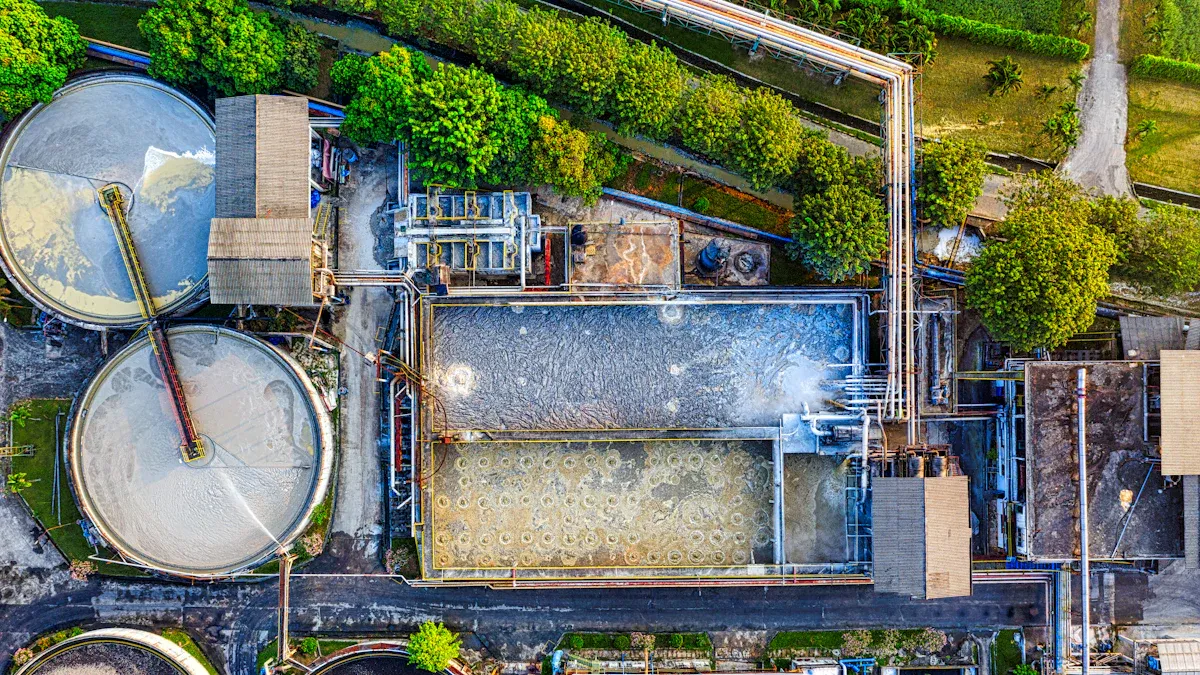
Fine screens are crucial for effective wastewater and water treatment screening technologies, ensuring that water remains clean and safe. They assist in removing trash and harmful substances, thereby safeguarding the treatment process. These screens enhance system efficiency and contribute to energy savings. For instance, employing advanced motors can reduce energy consumption by 30%. Additionally, effective pretreatment can decrease repair costs by 40%. Innovative screening tools also protect other equipment, ensuring smooth operations with minimal downtime.
Fine screens help clean water by removing trash and harmful bits.
Picking the right size and type makes systems work better and costs less to fix.
Self-cleaning fine screens need less care and reduce downtime.
Energy-saving fine screens use up to 30% less power, saving money and helping nature.
Checking and cleaning fine screens often stops clogs and makes equipment last longer.
Fine screens protect other equipment by catching debris before it breaks things, saving repair money.
Fine screens can be used in cities, factories, farms, and saltwater systems.
Better fine screens improve water quality and make treatment faster and easier.
Fine screens are important tools in cleaning water systems. They take out small trash and particles to keep systems running well. By catching things like grease, dirt, and waste, they make the next steps easier. This helps systems work better and stops damage to equipment. For example, fine screens can cut biological oxygen demand (BOD) by 5–25%, total suspended solids (TSS) by 15–30%, and grease by 30–50%. Picking the right size and type of screen improves performance, lowers repair costs, and keeps water clean for the environment.
Fine screens come in different styles for different jobs. Here are the main types:
Bar screens have straight bars that block big trash but let water pass. They are used early in treatment to protect other machines. These screens are simple and good for catching large items.
Drum screens are round and spin with tiny holes on the surface. Water flows through, and the screen traps particles. They work well for high water flow and nonstop use.
Mesh screens are made of tightly woven material to catch tiny bits. They are great for fine filtering in city and factory water systems.
Step screens have fixed and moving plates that work together. This design removes small particles and avoids clogging. They are helpful in systems where water flow changes a lot.
The size of a screen’s openings decides what it can catch. Choosing the right size is key for good results.
Manual fine screens are hand-operated and have bigger openings. They work for small systems or places without machines. For example, manual screens in early treatment may have openings over 40 mm.
Mechanical fine screens use machines to remove trash. They are more accurate, with openings from 0.5 mm to 10 mm. A 2 mm screen can catch 96% of round particles, while a 1 mm screen gets 98.7% of stringy ones. These screens often clean themselves with brushes or water sprays.
| Treatment Application | Screen Opening Size (mm) |
|---|---|
| Early Barscreening | > 40 |
| Medium Barscreening | 40 to 10 |
| Fine Barscreening | 10 to 6 |
| Straining | 6 to 0.5 |
Fine screens are key to cleaning water systems. They handle different water flows and particle sizes, keeping systems working well for a long time.
The size of screen openings decides what debris gets caught. Smaller openings trap tiny particles, making filtration better. Screens with openings between 6–25 mm catch more than coarse screens. Microscreens, with openings under 2 mm, filter even smaller bits. This makes water cleaner and improves purification. Water flow through the screen must match system capacity. High-flow screens in small spaces need less infrastructure. They work well for both small and big systems.
Hydraulic performance helps screens work efficiently. Good designs let water flow easily, saving energy. Smooth water movement stops turbulence that could hurt filtration. Better hydraulic features make systems run smoother and save power.
Modern screens clean themselves using brushes, sprays, or rotating parts. Automation cuts down manual work and keeps screens working well. Even during busy times, they perform consistently. Self-cleaning screens need less maintenance, reducing downtime.
Energy-saving screens are becoming more common. New systems and materials use less energy. Simple designs need less upkeep and work better. These improvements lower costs and help the environment by saving energy.
Fine screens are the first step in cleaning wastewater. They remove solids and prepare water for the next stages. Catching debris early makes the whole process more efficient. Compact screens handle large flows, making them useful for many places.
Fine screens protect equipment by catching debris before it clogs pipes or pumps. This lowers repair costs and helps machines last longer. Adding fine screens to your system keeps things running smoothly and avoids unexpected problems.
For more details on fine screens, visit KMINDA's Fine Screen Solutions. Learn how they protect equipment at this resource. Check out our technology page for the latest screening trends.

Check your fine screens often to keep them working well. Look for damage early to fix problems before they get worse. Clean the screens to stop dirt from clogging them. Follow the maker's schedule to keep things running smoothly. For example:
Inspections find damage early, saving money on big repairs.
Cleaning clears blockages, helping water flow better and easing strain.
Using sensor data helps predict and fix issues before they happen.
Change worn-out parts quickly to keep screens working properly. Brushes or seals can wear out over time. If ignored, they might cause breakdowns. Use good-quality parts to keep performance high. Watch for signs like strange noises or slower water flow. Fixing these fast avoids problems and keeps your system steady.
Fine screens made with rust-proof materials last longer and work better. Stainless steel resists rust and damage in tough places. This means fewer replacements, saving time and money. These materials also keep screens working well in hard conditions like wastewater plants. Choosing strong screens protects your system and keeps it reliable.
New washer-compactor systems make fine screens more dependable. They clean and squeeze debris, making waste smaller and easier to handle. These systems stop clogs that can slow things down. Features like automatic cleaning cycles keep screens working with little effort. Adding these systems makes your screens more efficient and reliable.
Watch flow rates to see how well your screens work. Sensors give real-time data to spot changes in efficiency. For example, a drop in flow might mean a clog or problem. Regular checks keep screens working their best and avoid downtime.
| Evidence Type | Description |
|---|---|
| Enhanced Efficiency | Fine screens make wastewater treatment faster and reduce downtime. |
| Protection of Equipment | They stop debris from damaging machines, cutting repair needs. |
| Improved Process Control | Better control helps systems work smoothly, especially in WRRFs. |
Keep clear records of all maintenance for your fine screens. Write down inspection dates, cleanings, and part changes. Reviewing this helps spot trends and plan ahead. Good records also meet rules and show your system is well cared for.
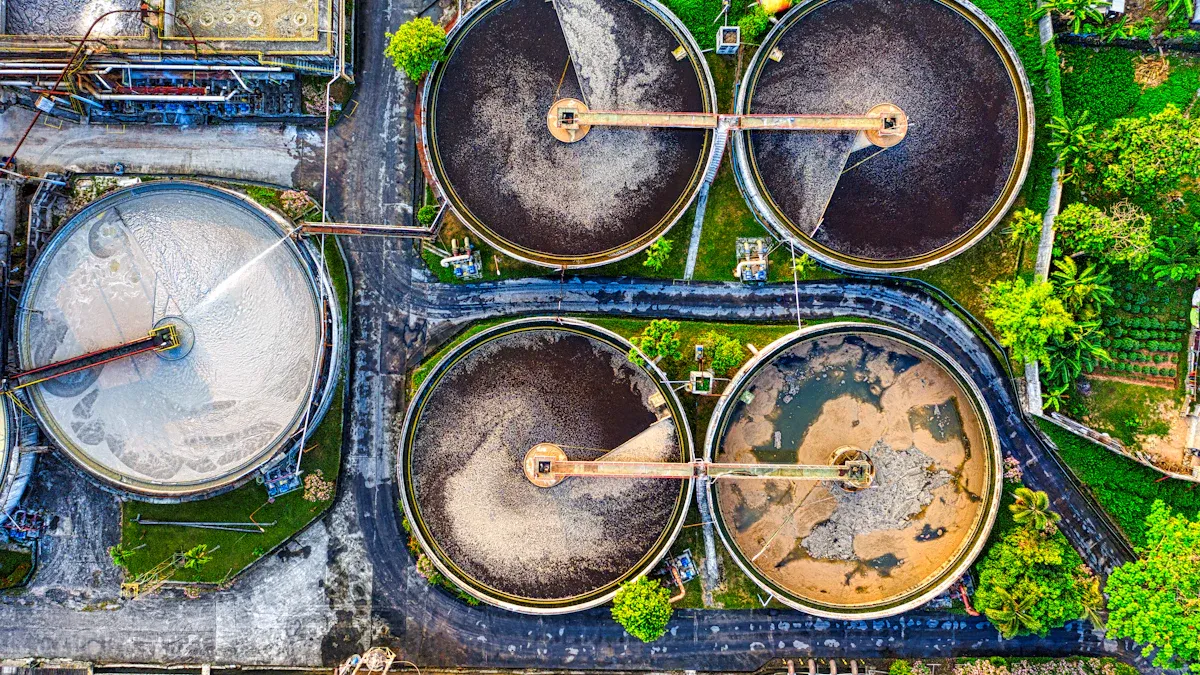
Fine screens are important in city water treatment plants. They catch trash and dirt early, helping other systems work better. For example, using advanced bar screens in big city plants has cut down on equipment problems and repair time. Static screens stop non-organic waste from entering the system, which reduces the strain on sedimentation tanks and biological units. This early step makes the whole process more efficient and protects key equipment.
In factories, fine screens help keep systems running smoothly. Special bar screens in meat plants have lowered waste levels, improving water quality and system performance. By removing trash early, fine screens protect later processes and reduce the amount of waste needing extra treatment. This smart method cuts downtime and keeps operations steady, even in tough conditions.
Fine screens also work well in farming and desalination systems. They remove both natural and man-made debris, ensuring clean water for crops and saltwater treatment. In desalination plants, fine screens stop clogs in reverse osmosis filters, which are needed to make drinking water. Their ability to handle changing water flows makes them perfect for farms, where water quality and flow often change. These uses show how flexible fine screens are across different fields.
| Application Type | Example | Outcome |
|---|---|---|
| Municipal | Large municipal treatment facility | Reduced equipment failure and maintenance time |
| Industrial | Meat processing plant | Decreased contaminants and improved operation |
Fine screens make systems work better by keeping water flowing smoothly. They lower the workload on later treatments, saving energy and cutting repair costs. Newer designs filter water faster while using less power, which helps the environment. By choosing advanced fine screens, you can save money over time and make your system run more efficiently.
Fine screens help the environment by cleaning water and using less energy. They remove harmful particles, making water safe to reuse or release into nature. Energy-saving designs also reduce the impact of treatment plants on the planet. Adding fine screens to your system supports green practices and saves natural resources.
Clogs and broken equipment are common problems in water systems. Fine screens stop these issues by catching trash before it reaches pumps or filters. New features like washer-compactor systems handle waste better, keeping things running smoothly and lowering repair needs. Removing debris early also reduces the strain on sedimentation tanks, protecting other equipment and making it last longer.
For more details about fine screen uses, check out KMINDA's Fine Screen Solutions. Learn how they boost efficiency at this resource. See the latest screening tools at our technology page.
KMINDA's Multi Deck Screens are great for sorting materials into different sizes. They have multiple layers in one machine, letting you handle various particle sizes at the same time. This setup saves space and increases efficiency, making it perfect for industries needing high performance. Whether you're working with city water systems or factory processes, these screens provide steady results.
Circular Vibrating Screens use a special circular motion to sort fine particles well. This movement spreads materials evenly across the screen, improving accuracy and dependability. These screens are ideal for jobs where consistent quality is very important. Their strong build also makes them last long, even in tough conditions.
For wet materials, Repulp Wet Sizing Screens are excellent at cleaning, drying, and recovering small particles. They improve later processes by giving cleaner results and lowering water content. Their ability to handle tricky materials makes them useful in farming and desalination industries.
KMINDA's fine screens are made for accuracy. They sort particles precisely, ensuring proper separation and grouping. The performance data proves their reliability:
| Metric | Value |
|---|---|
| Maximum Throughput | 30 kg/h |
| Minimum Specific Energy Consumption | 49 kW.h/ton |
| Mean Particle Size | 2.14 mm |
| R² (Model Accuracy) | 0.99974 |
| RMSE (Prediction Error) | 1.06 |
These numbers show the screens' ability to give steady results while saving energy. Choosing KMINDA's products means better sorting and lower running costs.
KMINDA's fine screens are built to handle more work without losing quality. For example, Multi Deck Screens can process several sizes at once, boosting productivity. Plus, energy-saving designs cut power use, making your work more eco-friendly. These features not only make your system more efficient but also save money over time.
KMINDA's fine screens are vital in city and factory water treatment. They catch trash early, protecting other equipment and keeping things running smoothly. Circular Vibrating Screens, for instance, reduce maintenance needs in big city plants. Similarly, Multi Deck Screens handle large amounts easily, improving efficiency in factories.
In farming, fine screens keep water clean by removing dirt and waste. This helps crops grow better. In desalination plants, Repulp Wet Sizing Screens stop clogs in reverse osmosis systems, improving water flow and cutting downtime. Their ability to adapt to changing water conditions makes them essential in these areas.
Fine screens are key to making water treatment systems work well. They help water flow better, prevent delays, and shield equipment from harm. KMINDA offers smart tools like Multi Deck Screens and Repulp Wet Sizing Screens. These tools are strong, accurate, and save energy. They cut costs and boost performance in many industries.
Fine screens take out small trash and particles from water. They help clean water, protect equipment, and make systems work better. You can use them in city, factory, farm, and desalination systems.
Fine screens stop trash from reaching pumps, pipes, or filters. This avoids clogs and reduces damage. Using fine screens lowers repair costs and helps equipment last longer.
KMINDA has Multi Deck Screens, Circular Vibrating Screens, and Repulp Wet Sizing Screens. Each type is made for specific jobs, like sorting particles, handling wet materials, or managing heavy loads.
Self-cleaning screens use brushes, sprays, or spinning parts to clear trash. This cuts down on manual cleaning and keeps them working well. These systems help reduce delays and keep things running smoothly.
Yes, new designs use less power but still work great. They save energy and cut costs while helping the environment. Choosing these screens is good for both your system and the planet.
City water plants, factories, farms, and desalination systems all use fine screens. They handle different water flows and trash types, making them useful for many jobs.
Fine screens remove harmful trash, grease, and solids from water. This makes water cleaner to reuse or release safely. They help with better cleaning and eco-friendly practices.
Yes, KMINDA can make screens to fit your needs. Whether you need precise sorting or special designs, they have options for you.


